Ocean Educationin Orange County
What kinds of programs exist, how to choose one, and the questions worth asking before you sign a kid up
Orange County sits right on the Pacific, and yet plenty of kids who live here have never looked into a tide pool or seen a kelp forest from a boat. If you are a parent or a teacher trying to change that, the good news is that there are real options close to home. The harder part is knowing what each kind of program actually offers.
We are a small team in Newport Beach. We freedive, we clean beaches, and we take young people out on the water to do real science. This guide is what we would tell a friend who asked us where to start.
What counts as an ocean education program?
The phrase covers a lot of ground. A classroom visit from a naturalist, a guided tide pool walk, a week of summer camp, a research outing on a boat: all of these are ocean education. They differ in how hands-on they are, how much time they take, and how old a child needs to be to get the most out of them.
A useful way to sort them is by where the learning happens: indoors with exhibits and labs, on the shoreline, around the bays and wetlands, or out on the open water. Most kids benefit from more than one, and the best programs build on each other.
The main types of programs in Orange County
Marine education centers and field trip sites. The Ocean Institute in Dana Point is one example in the county. Places like this are built for school groups, with labs, exhibits and staff who are used to working with classes. They are a strong first step for younger students and for teachers who need a program that fits a school day.
State parks and tide pools. Crystal Cove State Park, between Newport Beach and Laguna Beach, is one of the places where families and classes can explore the rocky shore, and the Crystal Cove Conservancy works with schools there. Tide pooling is free or close to it, it works for almost any age, and it teaches the most important habit in ocean science: look closely and leave things as you found them.
Bays, wetlands and estuaries. Upper Newport Bay is a coastal wetland right in Newport Beach, and groups such as the Newport Bay Conservancy run nature walks and youth programs around it. Wetland programs are a good way to show kids that the ocean does not start at the beach. What happens upstream, in neighborhoods and storm drains, ends up in the bay and then the sea.
Marine mammal rescue and rehabilitation. The Pacific Marine Mammal Center in Laguna Beach cares for stranded seals and sea lions and offers education programs alongside that work. For kids who love animals, seeing a real rescue operation can be the moment conservation stops being abstract.
Water quality and watershed groups. Orange County Coastkeeper and similar organizations focus on clean water and often involve students in monitoring and restoration. These programs suit older students who are ready for project work.
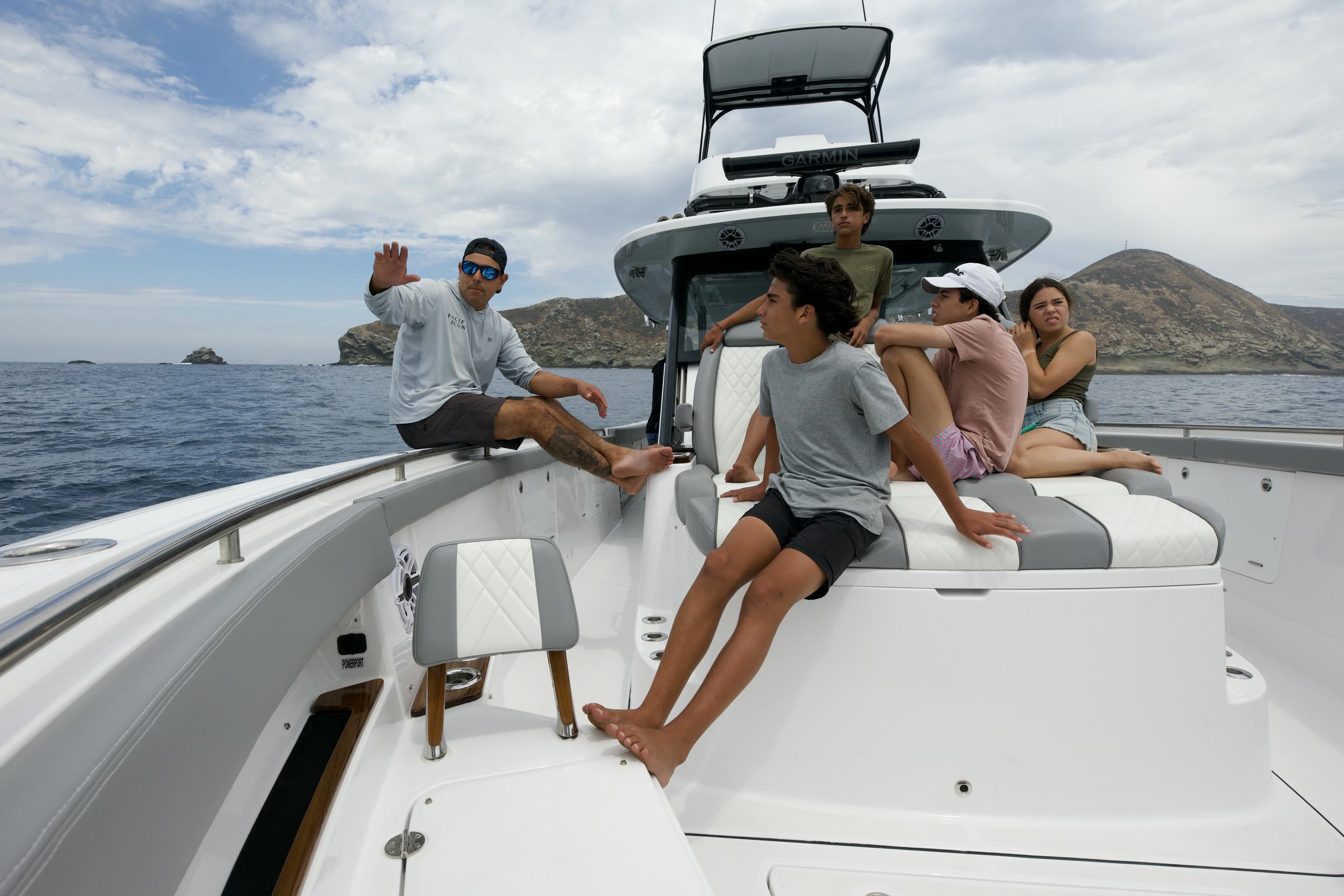
On-the-water citizen science. This is what we do. A small group goes out on a boat, collects real data and documents what they see. If you are not sure what that involves, our explainer What Is Citizen Science? walks through a full day with us.
Programs change from season to season, so always check each organization’s own site for current dates, ages and costs before you plan around them.
The best ocean program is the one that gets a kid close enough to notice something they will never forget.
How to choose the right program
Before you sign up, a few questions will tell you most of what you need to know:
How hands-on is it? Will kids touch water, use equipment and record observations, or mostly watch and listen? Both have value, but the hands-on moments are the ones children remember.
Is the data or work real? In a good citizen science program, students know where their observations go and who uses them. That sense of contributing to something real changes how seriously they take it.
What does safety look like? For anything on or in the water, ask about staff experience, life jackets, group size and what happens if conditions change. A good program will be glad you asked.
What does it cost, and is there help? Many nonprofits offer free or reduced-cost spots. Ask directly. Cost should never be the reason a child misses the ocean.
Is there a way to keep going? One field trip can spark interest. A program with a next step, like a club, a follow-up outing or a volunteer role, turns that spark into something lasting.
Tips for teachers
Book early, especially for spring, when field trip calendars fill up. Ask whether the program links to the science standards you are already teaching, so the trip supports your classroom work rather than interrupting it.
Prepare students before the visit. Even a short lesson on what they might see, whether that is a sea star, a heron or a kelp holdfast, gives them something to look for. Afterward, have them write or present one thing that surprised them. That reflection is often where the learning settles in.
If your class is near the coast, a simple beach cleanup paired with sorting and counting what you find is a low-cost way to turn students into observers of their own shoreline.
Tips for parents
You do not need a program to start. A low-tide walk on a weekend morning, a library book about kelp, a family beach cleanup: these small things build the curiosity that makes a formal program click.
Follow your child’s interest. A kid who loves animals may light up at a marine mammal center. A kid who loves gadgets may prefer water testing or underwater cameras. A kid who loves drawing or photography may find their way in through art. Our Blue Lens program exists because some young people connect with the ocean first through a camera.
And go with them when you can. Some of the best conversations we have on the boat are with parents who came along and discovered they were just as curious as their kids.
Where MyCleanOcean fits
We focus on taking young people out on the water off the Orange County coast for citizen science expeditions. Every student has a job: science officers collect water readings and log microplastics, media officers film the kelp canopy and seafloor, and navigation officers track each survey station. The data goes into shared databases like Clean Swell, and each student leaves with a Citizen Scientist certificate showing where they worked.
Our programs are free for participating youth and families, which is only possible because of volunteers and donors. We think direct contact with the ocean creates a kind of commitment a classroom alone cannot. We wrote more about why in The Ocean Changed Us.
If you are a teacher or parent and want to know whether our programs are a fit for your students, get in touch through our contact page. If you want to help more kids get out there, you can volunteer or donate.
Frequently asked questions
What age should a child be to join an ocean education program?
It depends on the program. Tide pool walks and education centers work well for young children, while boat-based citizen science and water quality projects suit older kids and teens who can handle equipment and follow safety instructions. Check each organization’s age guidelines before signing up.
Are there free ocean education programs in Orange County?
Yes. Several nonprofits offer free or reduced-cost programs, and exploring tide pools in a state park costs little beyond parking. MyCleanOcean’s programs are free for participating youth and families.
Does my child need to know how to swim or dive?
Not for most programs. Shoreline, wetland and classroom programs need no swimming at all, and boat-based programs should provide life jackets and clear safety rules. Ask the organizer what is expected before the day.
The ocean is right here. The best time to show a kid what lives in it is the next low tide.
More Field Notes


Put a Kid in the Ocean
Your donation today funds an expedition, a certification, a mentor, a career — for a young person who never thought the ocean was for them.
EIN 41-4167030 · 100% of net donations fund youth programs. Contributions are tax-deductible to the extent permitted by law.