Ocean Conservation: What It Is and How to Help
What protecting the ocean actually involves, why it matters to everyone (not just people who live on the coast), the biggest threats, and what you can do this week, with a close look at the kelp forests and marine reserves of Southern California.
of Earth's surface is ocean
NOAAof the planet's oxygen comes from the ocean
NOAAof the excess heat from global warming has gone into the ocean
NASAmarine protected areas in California, about 16% of state waters
CA Ocean Protection CouncilProtecting What Keeps Us Alive
Ocean conservation is the work of protecting and restoring marine ecosystems, the species that depend on them and the water itself. It is not one job but several: scientists measuring what is changing, managers setting limits on fishing and protecting key places, restoration crews rebuilding habitats, cities keeping pollution out of storm drains, and educators turning the next generation into the ocean's advocates.
It matters far from the beach. The ocean has absorbed about 30% of the carbon dioxide people emit (NOAA) and about 90% of the extra heat trapped by it (NASA), which is why it shapes weather, food and economies everywhere. Aquatic foods supply at least a fifth of the animal protein eaten by more than three billion people (FAO).
Conservation is different from preservation. Preservation leaves a place untouched; conservation manages it so it stays healthy while people still fish, surf, dive and work there. Most of the ocean's future will be decided by how well that balance is kept.
What the Ocean Is Up Against
Heat and marine heatwaves
Warmer water holds less oxygen, moves species and starves kelp of nutrients. After the 2014–2016 marine heatwave, more than 90% of Northern California's bull kelp canopy disappeared (Rogers-Bennett & Catton, 2019).
A changing chemistry
As seawater absorbs carbon dioxide it becomes more acidic, making it harder for shellfish, corals and plankton to build shells and skeletons (NOAA).
Plastic and runoff
Most ocean pollution starts on land. In Southern California, rain washes trash, oil and fertilizer from streets straight through storm drains to the beach.
Overfishing and lost habitat
Taking fish faster than they reproduce, and losing kelp, wetlands and seagrass, removes the nurseries that coastal life depends on.
Ocean Conservation in Southern California
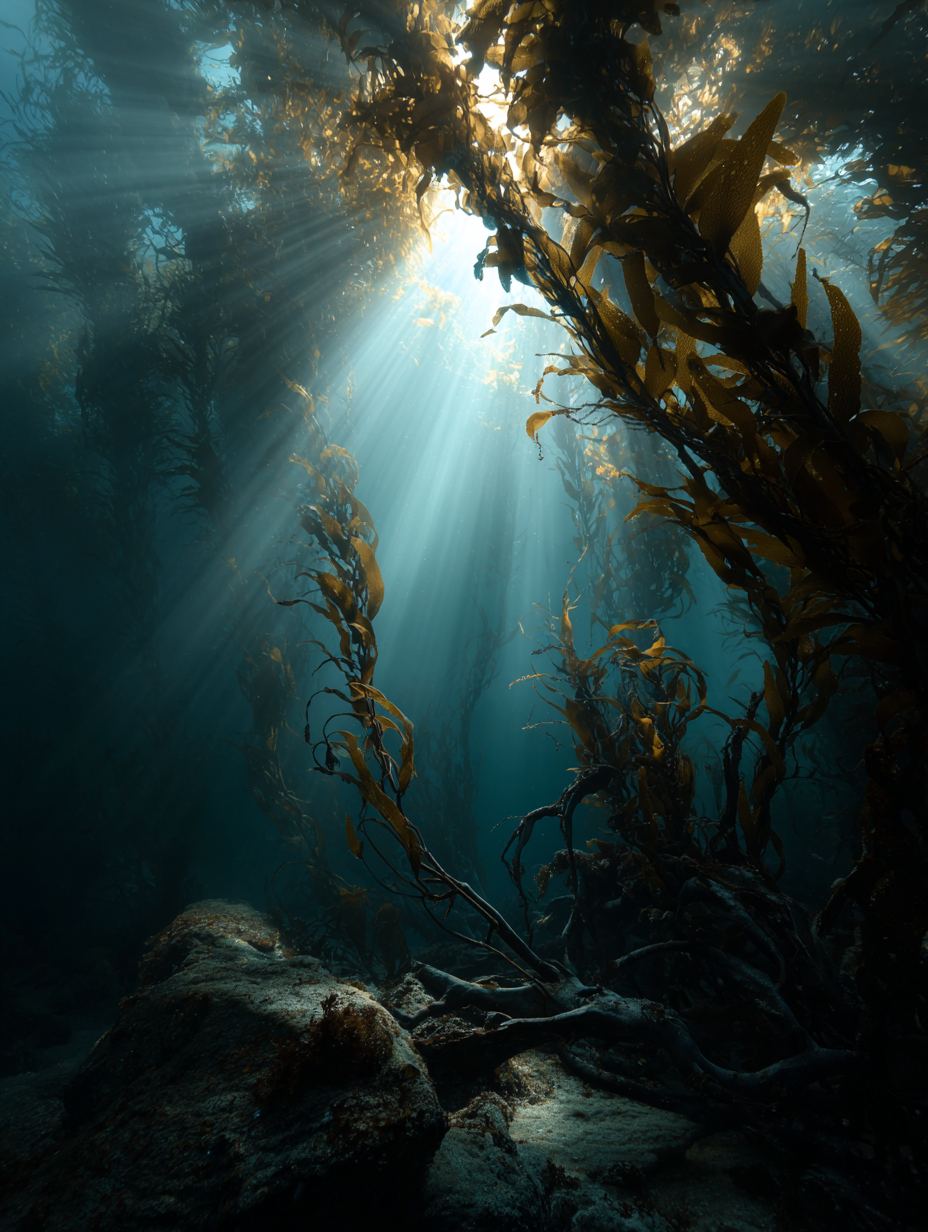
Underwater forests that grow up to two feet a day
Giant kelp shelters hundreds of species off our coast, from garibaldi to sea lions. Heatwaves and urchin booms can wipe forests out; restoration and monitoring help them come back.
124 MPAs, including Orange County's
California's network covers about 16% of state waters. Locally: Crystal Cove, Upper Newport Bay, and the Laguna Beach marine reserve and conservation area (California State Parks).
What runs off the street reaches the sea
After a storm, Orange County beaches can post bacteria warnings for days. Keeping storm drains clean is ocean conservation you can do from your driveway.
A statewide goal
California has set out to conserve 30% of its lands and coastal waters by 2030 (Executive Order N-82-20), which puts local science and stewardship at the center.
Six Things That Actually Help
Protect the storm drain
Pick up trash, never wash paint or oil down the drain, and go easy on lawn fertilizer. In Southern California, that water goes to the beach untreated.
Cut single-use
Bottles, bags, utensils and takeout containers are among the most common items found in beach cleanups. Reusables stop them at the source.
Choose it well
Use the Monterey Bay Aquarium's Seafood Watch guide, and respect the rules inside marine protected areas when you fish or dive.
Count, clean, film
Join a beach cleanup or a citizen-science survey. Data collected by volunteers helps scientists track what is changing along our coast.
Back good ocean policy
Marine protected areas, clean-water rules and 30x30 all depend on public support at city, county and state level.
Fund the hands-on work
Local groups turn donations into restoration days, monitoring and education. A gift to a 501(c)(3) is also tax-deductible.
Conservation That Starts With a Kid in the Water
My Clean Ocean is a Newport Beach 501(c)(3) built on a simple idea: people protect what they know, and plenty of kids in Orange County have grown up minutes from the coast without ever going out on it.
Our programs take young people from underserved communities out of Newport Harbor and into the kelp, with a captain, a safety diver and a working ocean professional beside them. They learn to dive, to film underwater and to collect real data, and they come home with their first underwater photograph and a path toward careers in ocean science and media. No child or family ever pays.
The work spans youth ocean experiences, Blue Lens underwater filmmaking, citizen science and kelp-forest days, so the next generation of ocean conservationists comes from every neighborhood, not just the ones on the water.
Ocean Conservation, Answered
What is ocean conservation?
Ocean conservation is the work of protecting and restoring marine ecosystems, the species that live in them and the water itself. It combines science (measuring what is changing), protection (marine protected areas and fishing rules), restoration (rebuilding habitats like kelp forests), pollution control on land, and education that turns people into the ocean's advocates.
Why is ocean conservation important?
The ocean covers about 71% of Earth's surface and produces roughly half of the planet's oxygen (NOAA). It has absorbed about 90% of the excess heat from global warming (NASA) and about 30% of the carbon dioxide people emit (NOAA), and aquatic foods supply at least a fifth of the animal protein eaten by more than three billion people (FAO). A healthy ocean is part of a livable climate, food supply and economy.
What are the biggest threats to the ocean?
Warming water and marine heatwaves, ocean acidification as seawater absorbs carbon dioxide, pollution from plastic and urban runoff, overfishing, and the loss of coastal habitats such as kelp forests, wetlands and seagrass. In Southern California, runoff after rain and marine heatwaves that stress kelp forests are two of the most visible.
What are marine protected areas?
Marine protected areas (MPAs) are parts of the ocean where fishing and other activities are limited or banned so ecosystems can recover. California's network of 124 MPAs covers about 16% of state waters (California Ocean Protection Council). In Orange County they include Crystal Cove, Upper Newport Bay and the Laguna Beach marine reserve and conservation area.
How can I help protect the ocean?
Keep trash and chemicals out of storm drains (in Southern California they flow straight to the beach), cut single-use plastic, choose sustainable seafood, respect marine protected area rules, join a beach cleanup or a citizen-science survey, and support local organizations doing hands-on work. Small actions add up because most ocean pollution starts on land.
How can kids get involved in ocean conservation?
Through programs that put them in and around the water: tidepool and beach-cleanup days, citizen-science surveys, and in Orange County, My Clean Ocean's free youth programs, which take kids from underserved communities onto the boat, into the kelp and behind an underwater camera, with mentors and a path to real ocean careers.
What ocean conservation organizations are in Orange County?
Several do different parts of the work: My Clean Ocean in Newport Beach (youth ocean experiences, underwater filmmaking, citizen science and kelp days), the Ocean Institute in Dana Point (marine science education), Crystal Cove Conservancy (park science and education) and Orange County Coastkeeper (water quality and MPA monitoring). Supporting any of them helps the same coast.
What is the difference between conservation and preservation?
Preservation means leaving an area untouched. Conservation means using and managing it sustainably so it stays healthy, which is why most ocean conservation allows some fishing and recreation while protecting key places, species and water quality.
Is a donation to ocean conservation tax deductible?
Yes, when the organization is a 501(c)(3) public charity. My Clean Ocean is one (EIN 41-4167030). Our giving guide explains how the 2026 rules work, including the new deduction for people who don't itemize.
Where These Facts Come From
- NOAA · How much oxygen comes from the ocean?
- NOAA · Ocean acidification
- NASA · Ocean warming
- FAO · The State of World Fisheries and Aquaculture
- California Ocean Protection Council · MPA network overview
- California State Parks · Orange County MPAs
- Rogers-Bennett & Catton (2019), Scientific Reports · bull kelp collapse
- California 30x30 · Executive Order N-82-20
- Monterey Bay Aquarium Seafood Watch
Put a Kid on the Boat
$100 gives one underserved kid their first day on the water. Through December 1 every gift is matched.
EIN 41-4167030 · 100% of net donations fund youth programs. Contributions are tax-deductible to the extent permitted by law.