Metal, Acrylicor Paper?
A plain guide to print mediums, sizes and rooms, written by people who hang these photographs for a living
An ocean photograph on a wall does one of two things. It either disappears into the room, or it becomes the thing people look at. The difference is mostly three decisions: the medium, the size and the wall. Here is how we make them.
Three mediums, three different objects
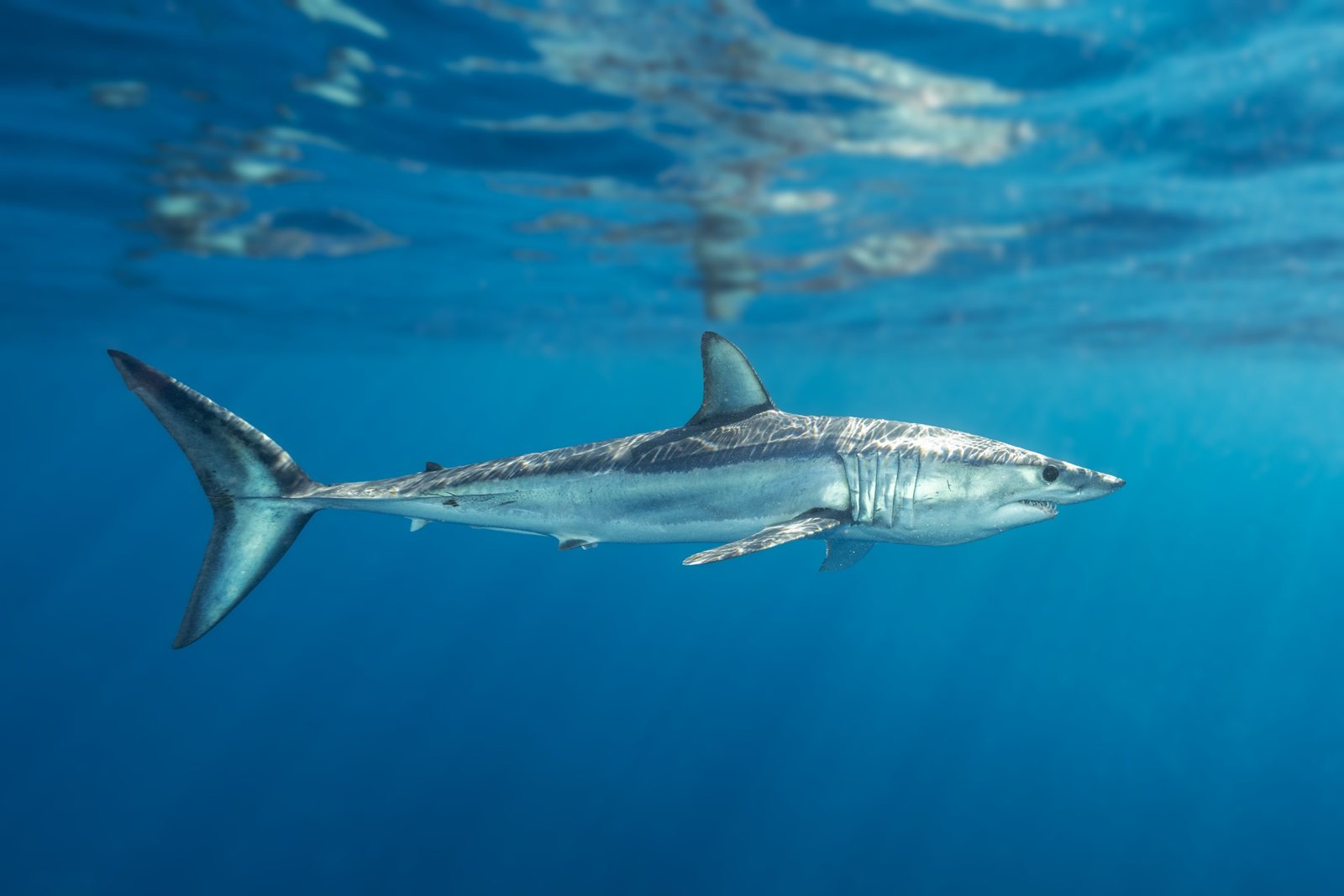
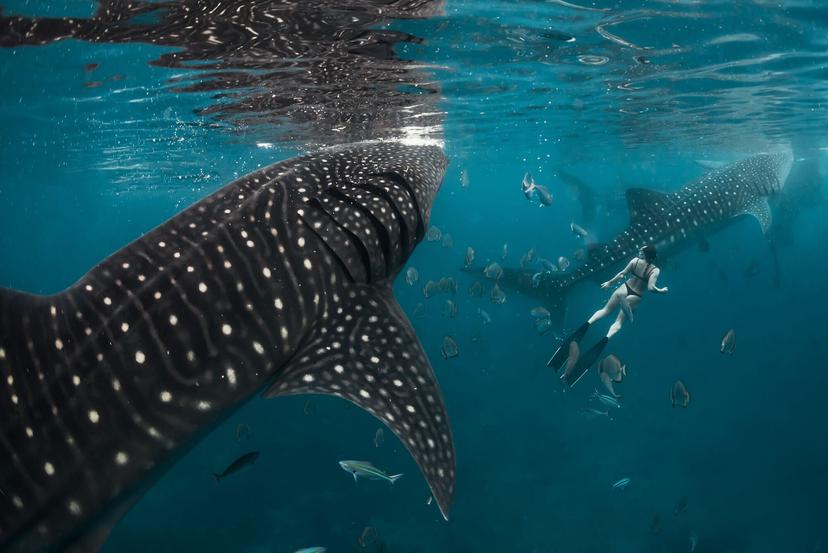
HD metal prints the image directly onto white gloss aluminum. Blues and blacks go luminous, detail stays razor sharp, and the piece arrives boxed and ready to hang with no frame and no glass. It is the medium we reach for with open-water sharks, where the frame is mostly deep blue and light.
HD acrylic mounts the photograph behind crystal-clear acrylic. It has depth: the image seems to sit a little behind the surface and the colours glow. It is the most expensive of the three and the one that reads as gallery-grade from across a room. Bold single subjects, like The Mako, suit it best.
Fine art paper is the classic. Archival paper, a softer rendering, shipped rolled in a tube for you to frame. It costs the least, and a framed paper print under a mat can look more at home in a bedroom or a study than a gloss panel. Quiet pictures such as The Spy Hop are made for it.
What size a wall actually needs
Most people buy too small. A 12 by 18 inch print is a desk or shelf piece, or one of a pair in a hallway. A 16 by 24 holds its own above a dresser or a side table. Above a sofa, a bed or a dining table you want 20 by 30 at least, and 24 by 36 if the wall is wide and bare. A simple test: cut a sheet of paper or tape to the size you are considering, stick it to the wall, and live with it for a day.
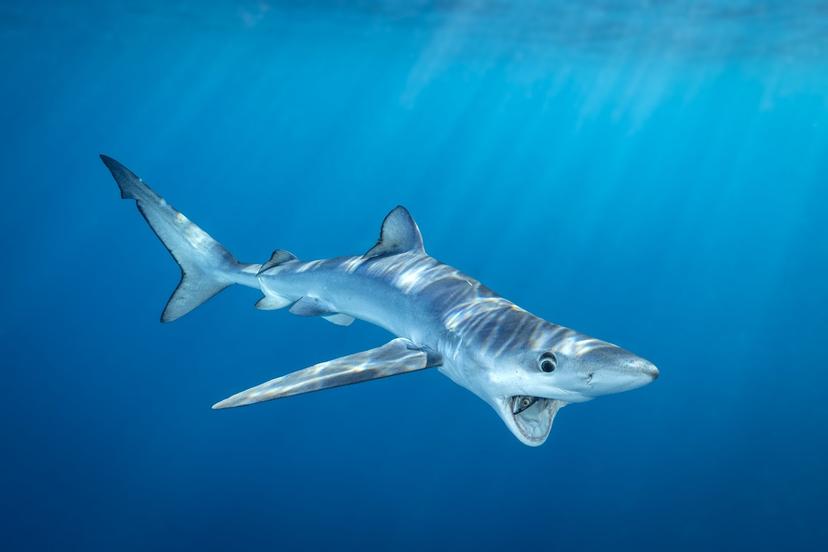
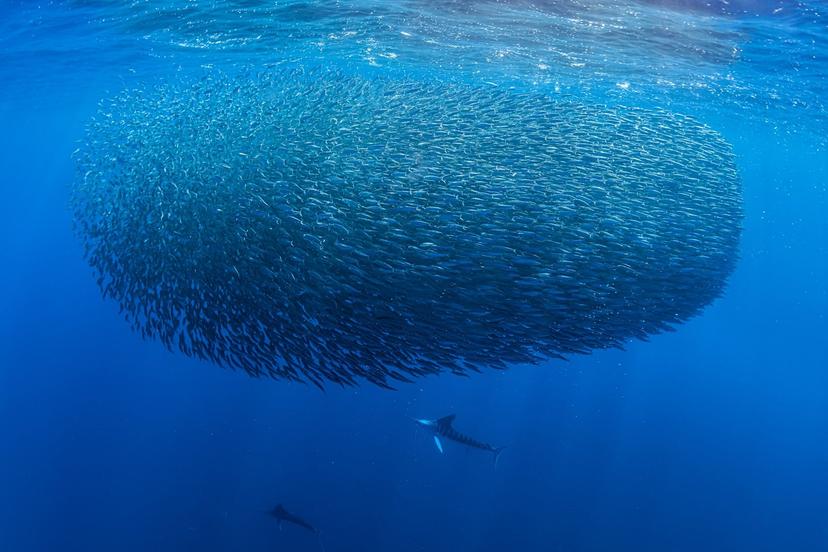
Detail-rich frames reward size. The Sardine Run turns into thousands of individual fish at 24 by 36, and Big Blue lets the shafts of sunlight become part of the room.
Match the picture to the room
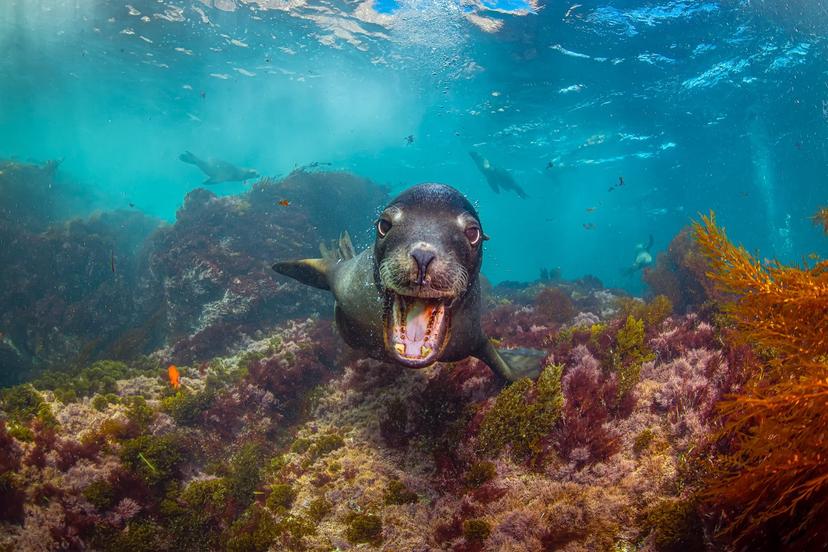
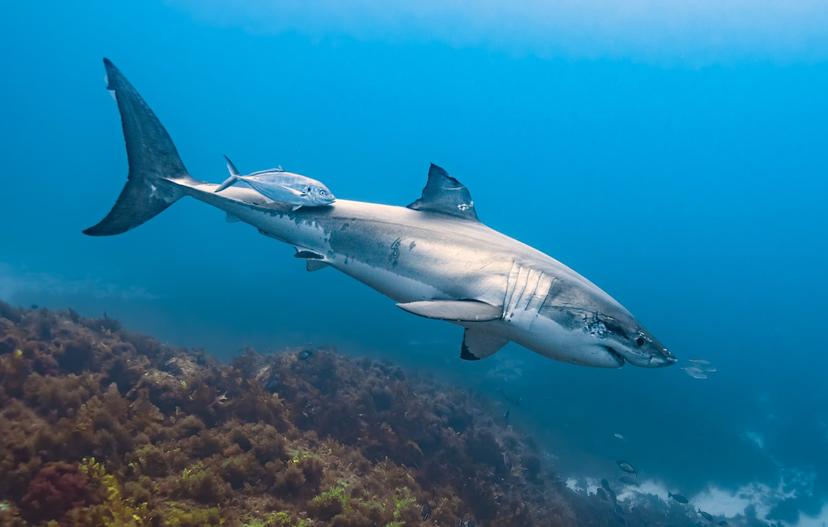
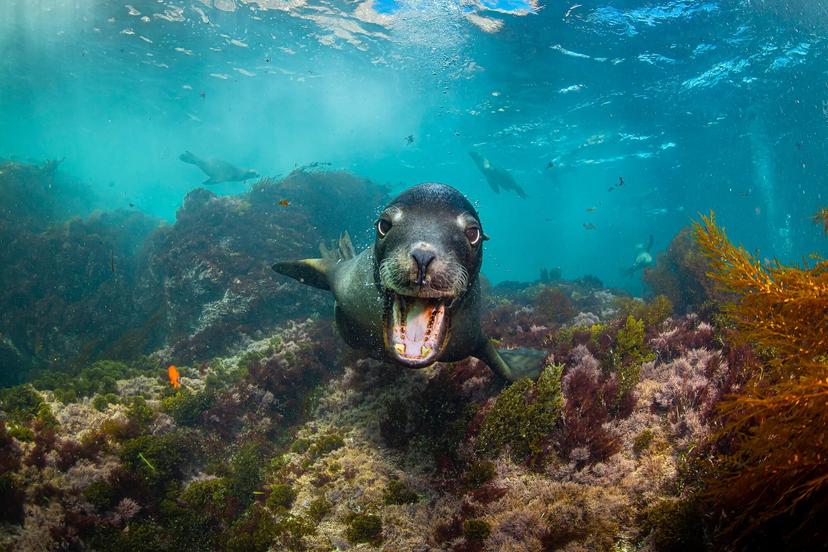
Open-water blues cool a room down and suit living spaces, offices and anywhere with white or grey walls. Warmer frames with animals coming toward the lens, like The Greeting, feel friendly and work in family rooms and kids' rooms. Grey-and-white pictures fit almost any palette, which is why the orca is the safest gift of the set.
Caring for it
Keep metal and acrylic out of direct, all-day sun and wipe them with a soft microfibre cloth; no household glass cleaner on acrylic. Frame paper prints behind UV-filtering glass or acrylic if the room is bright, and hang away from bathrooms and kitchens, where humidity changes.
Where the money goes
Buy a print from a gallery and the money goes to the gallery and the artist. Buy one from My Clean Ocean and the founder has licensed the image to the nonprofit, which sells the print, has it made to order in the USA, and keeps the profit for its youth programs. The price is the same as the photographer's own gallery, so nothing is lost, and a kid gets a day on the ocean out of it. A print is a purchase rather than a donation, so it carries no tax receipt; if that matters, a direct gift does.
Browse the eight photographs in the shop, read the story behind each one, and, if you want to know what they are protecting, our guide to ocean conservation in Southern California.
Pick the picture you keep coming back to. Then buy it one size bigger than you planned.
More Field Notes
Put a Kid in the Ocean
Your donation today funds an expedition, a certification, a mentor, a career — for a young person who never thought the ocean was for them.
EIN 41-4167030 · 100% of net donations fund youth programs. Contributions are tax-deductible to the extent permitted by law.