
What “MuseumQuality” Means
Archival papers, pigment inks, metal and acrylic: how to tell a print that will outlast you from one that will fade, and what we do to earn the phrase
When I bought prints myself, I looked for two words: museum quality. I wanted the kind of photograph you see across a magazine spread, made to hang for decades, not a poster that goes orange in a sunny room. The phrase gets used loosely. Here is what it should mean, and how to check.
It starts with the photograph
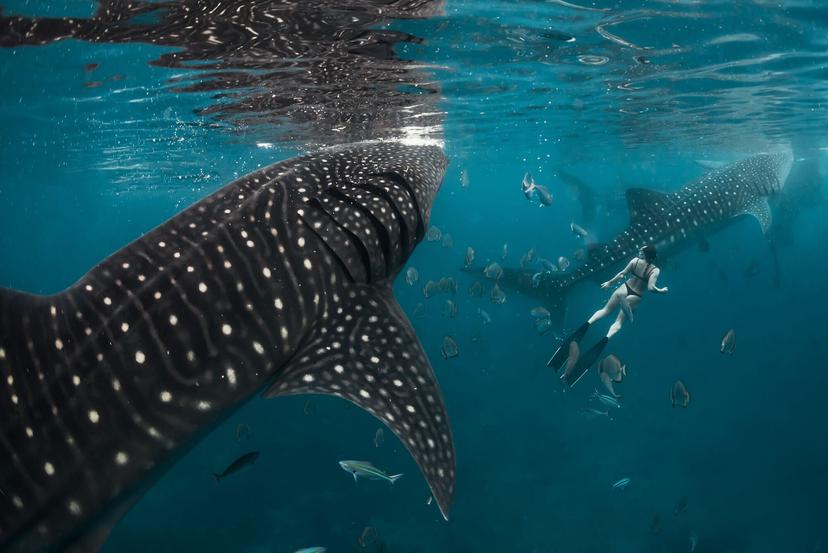
No process rescues a weak file. A museum-quality print begins with a sharp, well-exposed original with enough resolution to hold detail at 24 by 36 inches. Our eight prints come from full-frame cameras in professional underwater housings, shot in the water with the animal, and the masters are kept at full resolution for printing. The web previews you see on the site are small on purpose; the print is not.
Archival paper and pigment ink
A fine art paper print should be made with pigment inks on an acid-free, archival paper. Pigment inks sit on the paper as solid particles rather than dyes that soak in, which is why independent testing rates good pigment prints on archival paper at many decades to over a century of display life under normal indoor conditions. Dye-based prints on ordinary photo paper, the kind most online poster shops ship, can shift noticeably within a few years in a bright room. If a seller cannot tell you the paper and the ink, that is the answer.
Metal and acrylic are different animals
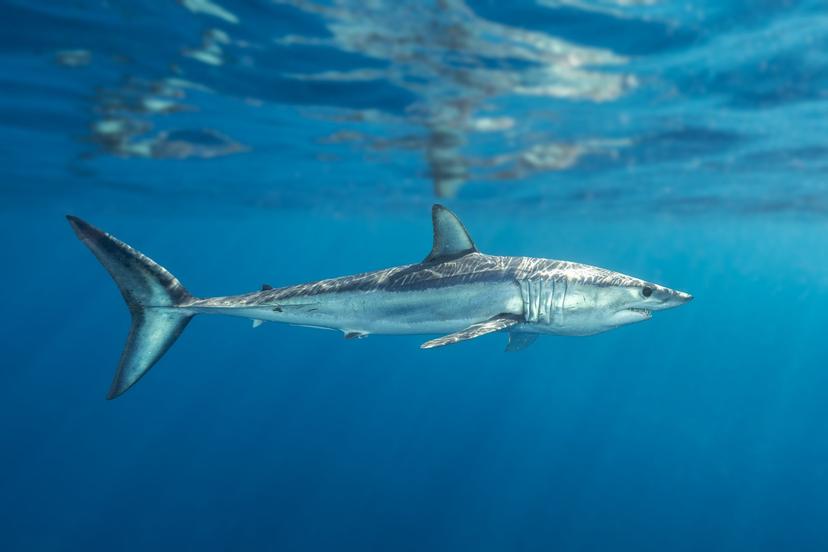
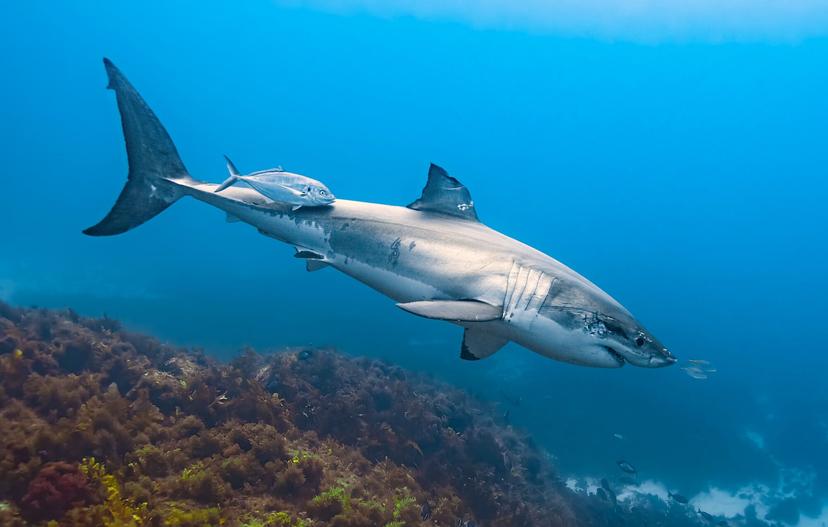
HD metal infuses the image into a coated aluminum panel under heat and pressure. The result is scratch-resistant, waterproof, needs no glass, and gives blues and blacks a luminosity paper cannot match. It is why our open-water shark frames, like Big Blue, are usually ordered on metal. HD acrylic face-mounts the photograph behind clear acrylic, which adds visible depth and a gallery finish; it is the medium you see in contemporary photography galleries, and it suits a single bold subject like The Mako. Both ship boxed, ready to hang. Our buying guide compares all three in plain terms.
Made to order, in the USA, by a professional lab
Our prints are not stocked in a warehouse. Each one is made when you order it, by a professional print lab in the United States that works for photographers and galleries, and shipped insured. Paper prints travel rolled in a tube for your framer; metal and acrylic arrive boxed with hanging hardware. That is also why we ask for a little patience on timing.
How to judge a print before you buy
Ask five things. Was the photograph taken by the person selling it, or licensed stock? What paper and ink, or what metal and acrylic process? Is it printed to order by a named kind of lab, or drop-shipped by a marketplace? Is the file the full-resolution original? And where does the money go? Most sellers will answer one or two. We answer all five on every print page.
Where the money goes, which is the sixth question
I license these photographs to My Clean Ocean. The nonprofit sells the print and keeps the profit for its youth programs, so a museum- quality print on your wall is also a teenager's day on the water, behind a camera, learning to see the animals in these frames as I did. A print is a purchase rather than a donation, so there is no tax receipt; if that matters to you, a direct gift does the same job with one. And what the whole thing protects is laid out in our guide to ocean conservation in Southern California.
Buy the print you will still be looking at in thirty years. Then make sure it is made to last that long.
More Field Notes
Put a Kid in the Ocean
Your donation today funds an expedition, a certification, a mentor, a career — for a young person who never thought the ocean was for them.
EIN 41-4167030 · 100% of net donations fund youth programs. Contributions are tax-deductible to the extent permitted by law.