
Youth Marine Biologyin Newport Beach & San Diego
What hands-on marine science looks like for teenagers from Newport Beach to San Diego, and the steps to actually get a seat
If your teenager wants to work with marine life, Newport Beach is a genuinely good place to start, not because there is one famous program here, but because the harbor puts real water, real boats and real researchers within a short drive of almost everyone in the area. The hard part is not finding a program. It is knowing which kind of program you are actually looking for.
We run one of them. This guide covers ours and the others worth knowing about, plus what to ask before you commit a teenager’s Saturdays to it.
What “marine biology program” usually means
Almost nobody under eighteen is doing marine biology in the sense of a university lab. What exists instead, and what is genuinely valuable, is hands-on exposure to the methods: collecting data, identifying species, handling real equipment, and seeing how that work turns into decisions about the coast. Some programs run on boats. Some run from the shoreline. Some are built entirely around a camera. All of them can be a real first step toward a marine science career, and all of them work even for a teenager who just wants a meaningful way to spend a weekend.
Programs based in Newport Beach
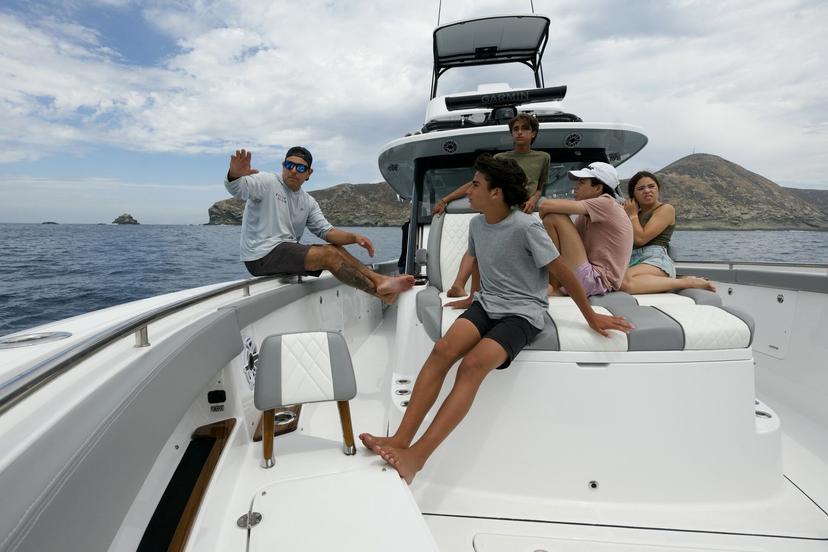
On-the-water citizen science. This is what we do. Teenagers go out on a boat from Newport Harbor, take a role for the day — collecting water samples, logging species sightings, tracking GPS stations — and come back with data that goes into shared databases researchers actually use. We wrote a full walkthrough of a typical day in What Is Citizen Science?. You can see the program itself at our Citizen Science page.
Underwater photography and filmmaking. Our Blue Lens program teaches teenagers to document the kelp forest and seafloor with professional camera equipment, paired with a working underwater cinematographer. It is not biology coursework, but a teenager who learns to identify what they are filming — a garibaldi, a kelp holdfast, a sign of bleaching — is learning the same observational skill a field biologist uses every day. Details are at Blue Lens.
Kelp restoration. Our Guardians of the Kelp program is built around direct, hands-on kelp restoration and long-term monitoring in the waters off Southern California. It is launching rather than running today, so if your teenager is ready now, start with citizen science or Blue Lens and watch the Guardians of the Kelp page for when restoration days open up.
A first day on the water. If a teenager has never been out past the harbor at all, our Youth Ocean Experience is the entry point — a day on a working vessel, at no cost to the family, meant to be the first step rather than the whole program.
Nearby programs worth knowing about
A few minutes down the coast, other organizations run programs that complement this kind of work well. The Pacific Marine Mammal Center in Laguna Beach cares for stranded seals and sea lions and runs education programs around that work, which suits a teenager who is drawn to animal care specifically. The Ocean Institute in Dana Point builds school-group and family programs around labs and exhibits, which is a good fit for a younger student still deciding whether marine science is for them. Closer to home, Upper Newport Bay is a coastal wetland inside Newport Beach itself, and the Newport Bay Conservancy runs nature walks and youth programs there — useful for understanding that marine biology does not only happen in open water, since what moves through a bay ends up in the sea. We covered this wider landscape, including how to tell these program types apart, in Ocean Education Programs in Orange County. As with any program, confirm current ages, dates and cost directly with the organization before you plan around it.
Programs in San Diego
San Diego has more marine science on its doorstep than almost any city in the country, and much of it is open to teenagers. Birch Aquarium at Scripps in La Jolla is the public face of Scripps Institution of Oceanography, and it runs camps and youth programs built around the research happening next door. Ocean Discovery Institute works in City Heights, bringing science and ocean experiences to students from under-resourced neighborhoods at no cost to families, which makes it one of the closest fits to what we do. The Living Coast Discovery Center sits on San Diego Bay in Chula Vista with animal care, camps and school programs around the bay and its wildlife refuge. And Cabrillo National Monument at Point Loma has some of the best tide pools in Southern California, free to visit on a winter low tide, which is as good a first marine biology lesson as any classroom.
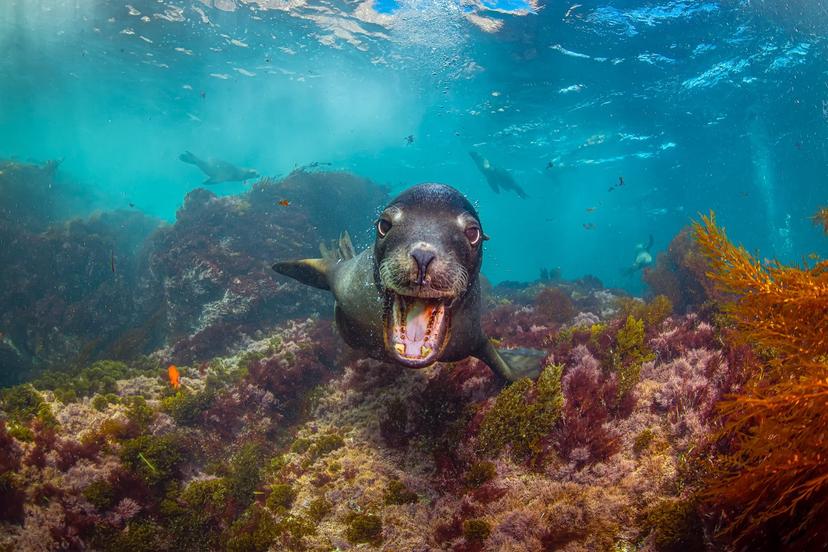
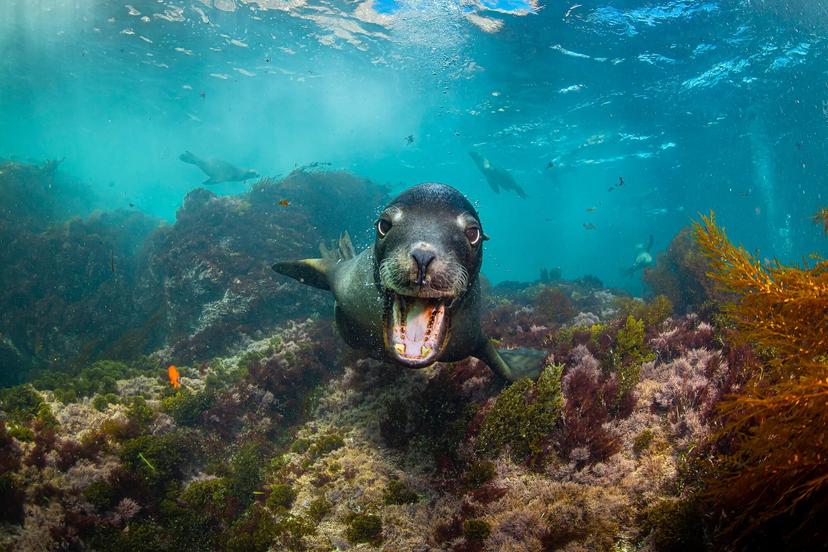
My Clean Ocean works in San Diego County too. We have taken young people out on the water from San Diego as well as Newport Harbor, and the sea lion colonies and kelp beds off the coast there are part of what our citizen science and Blue Lens crews film and record. If your teenager is in San Diego, tell us which part of the county you are in and we will say when the next outing near you is. As always, confirm current ages, dates and cost with each organization directly.
A teenager does not need a lab coat to do real marine science. They need a boat, a task, and someone willing to take them seriously.
How to actually join one
Start with age and ability, not the program’s name. Boat-based programs usually set a minimum age and may ask about swimming ability even when no swimming is required, since safety plans depend on it. Shoreline and wetland programs are usually more flexible. Ask directly rather than assuming.
Ask what a typical session actually involves. A good program can describe, in specific terms, what a teenager will do with their hands that day. If the answer is vague, that is worth noting before you commit.
Ask where the data or footage goes.The programs worth doing treat a teenager’s work as real contribution, not busywork. In our program, water readings go into shared databases like Clean Swell, and each participant leaves knowing exactly what they measured and why.
Ask about cost and whether help is available. Our programs are free for participating youth and families. Several other organizations in the area offer free or reduced-cost spots as well. It is always worth asking rather than assuming a program is out of reach.
Then just reach out.Most of these programs, including ours, are small teams running on volunteers rather than large call centers. A direct email or a message through a contact form, naming the teenager’s age and what they are hoping to get out of it, is usually the fastest way in.
If your teenager wants to keep going
One session is a sample. What turns it into something lasting is a next step: a repeat outing, a volunteer role, or a program that builds in stages. We think seeing the ocean up close, more than once, is what actually produces a young person who sticks with conservation. We wrote more about why in The Ocean Changed Us. Our own path for a teenager who wants to keep going usually runs from a Youth Ocean Experience day, into a citizen science expedition, and from there into Blue Lens or a future Guardians of the Kelp restoration day.
None of this happens without people willing to crew a boat, run a camera station, or fund a seat for a family that could not otherwise afford one. If that is you, we would like to hear from you. And if you want the wider picture of what ocean conservation looks like beyond youth programs, our ocean conservation guide is a good next read.
Frequently asked questions
What age do teenagers need to be for a marine biology program in Newport Beach?
It depends on the program. Boat-based citizen science and photography programs typically work best for teenagers who can follow safety instructions and handle equipment, while shoreline and wetland programs are often open to younger children too. Check each organization’s own age guidelines before signing up.
Does my teenager need swimming or diving experience?
No. Our citizen science and Blue Lens programs do not require swimming or diving. Life jackets and clear safety rules are part of any boat-based program, and it is reasonable to ask an organizer exactly what is expected before the day.
Are there youth marine biology programs in San Diego as well?
Yes. Birch Aquarium at Scripps, Ocean Discovery Institute and the Living Coast Discovery Center all run youth programs, and the tide pools at Cabrillo National Monument are free on a low tide. My Clean Ocean takes young people on the water in San Diego County too; ask us about the next outing near you.
Are these programs free?
MyCleanOcean’s programs are free for participating youth and families, made possible by volunteers and donors. Several nearby organizations also offer free or reduced-cost options, so it is always worth asking directly.
Take the first step. Reach out, name the age, and ask what the first day actually looks like.
More Field Notes
Put a Kid in the Ocean
Your donation today funds an expedition, a certification, a mentor, a career — for a young person who never thought the ocean was for them.
EIN 41-4167030 · 100% of net donations fund youth programs. Contributions are tax-deductible to the extent permitted by law.