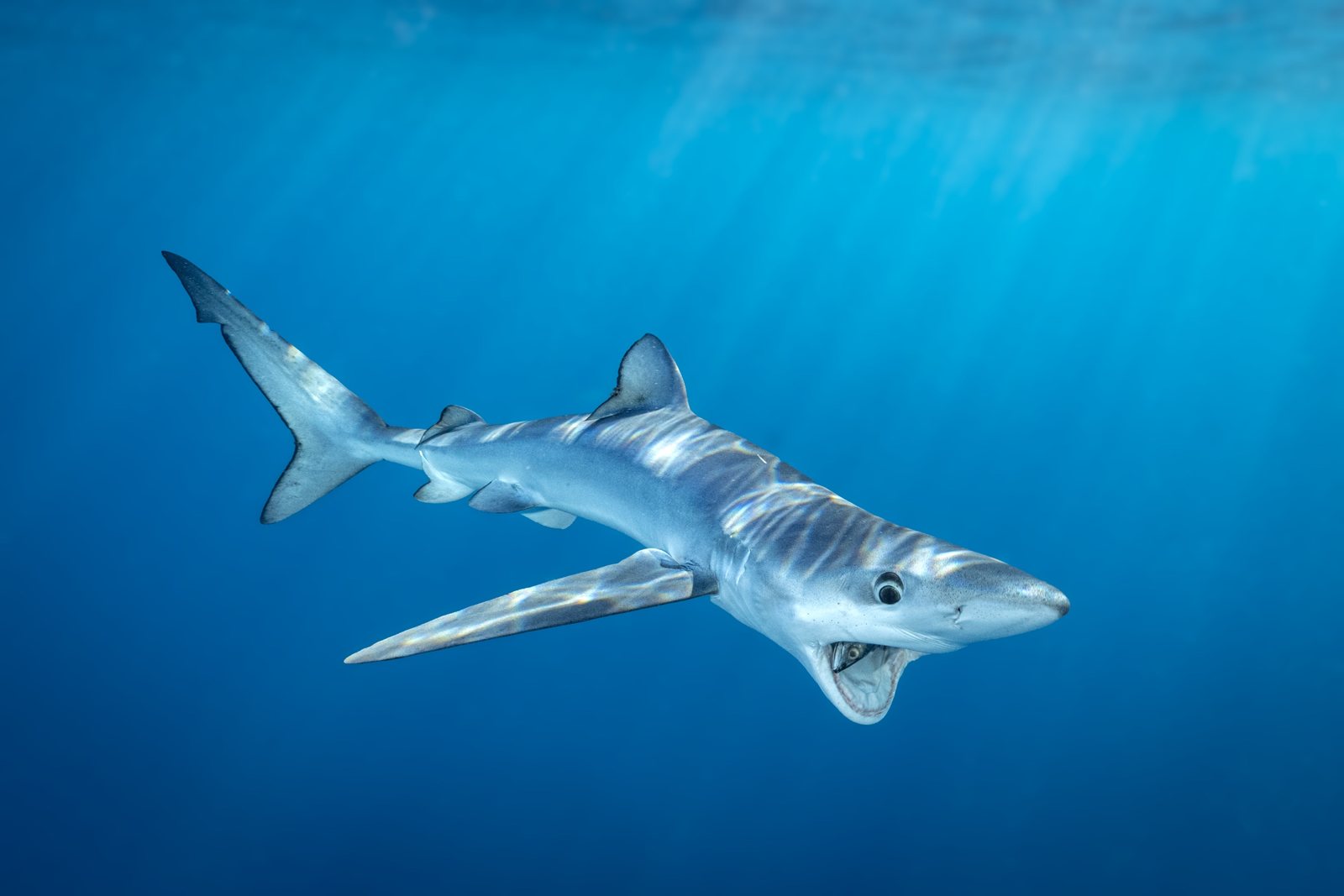
Blue Shark
Slender, deep blue and built for distance, the blue shark roams every ocean on Earth. It is also the shark we catch more of than any other.
Maximum length; most are 6 to 9 ft
NOAA FisheriesTemperate and tropical seas worldwide, the widest range of any shark
IUCNAverage litter, with litters over 100 recorded
NOAA FisheriesIUCN Red List; tens of millions caught each year
IUCNWhat a blue shark is
The blue shark is a long, slim open-ocean shark with a pointed snout, very long pectoral fins and a deep indigo back that fades to white below. Most are 6 to 9 feet long and a hundred to two hundred pounds; the biggest approach 12 feet and 400 pounds.
They are among the most widely distributed vertebrates on the planet, found in temperate and tropical water in every ocean, and satellite tags have tracked individuals crossing entire ocean basins.
What blue sharks eat
Squid above all, plus small schooling fish such as anchovies, sardines and mackerel, and the occasional seabird or scrap from a whale carcass. They feed mostly at night and often in groups, which is why several appear together in open water off California.
Why they are the most fished shark on Earth
Blue sharks are the main bycatch of longline fleets fishing for tuna and swordfish across the high seas, and they are a mainstay of the fin trade. Estimates run to around 20 million blue sharks caught a year, more than any other shark. Large litters, an average of about 35 pups, have so far kept the species out of the endangered categories, but the IUCN lists it as Near Threatened and several regional populations are declining.
What helps: rules that require sharks to be landed with fins attached, gear and practices that release them alive, and markets that stop paying for fins.
Blue sharks are the shark most often seen in open water off Southern California, usually well offshore beyond the islands from late spring through fall. They come close to boats and are curious rather than aggressive. They are the animal most of our young filmmakers see first.
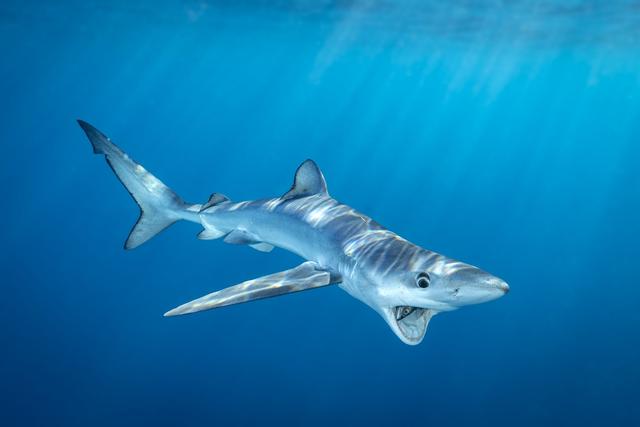 The printBig BlueMuseum-quality, printed to order. Profit funds youth programs.
What we do about it: Blue Lens. The bigger picture: our guide to ocean conservation in Southern California.
Blue Shark, Answered
Are blue sharks dangerous?
Rarely. Blue sharks live far offshore and are curious rather than aggressive; recorded incidents with people are very few and mostly involve provoked animals or shipwreck survivors in open ocean.
How big do blue sharks get?
Most are 6 to 9 feet long. The largest reach about 12 feet and around 400 pounds.
Why is the blue shark the most fished shark?
It is caught in enormous numbers as bycatch on longlines set for tuna and swordfish across the open ocean, and its fins are sold. Estimates run to about 20 million a year.
Where can you see blue sharks in California?
Offshore, in blue water beyond the Channel Islands and Catalina, from late spring through fall. They approach boats and divers readily.
- NOAA Fisheries species profile: Blue shark
- IUCN Red List, Prionace glauca
- FAO and ICCAT blue shark stock assessments
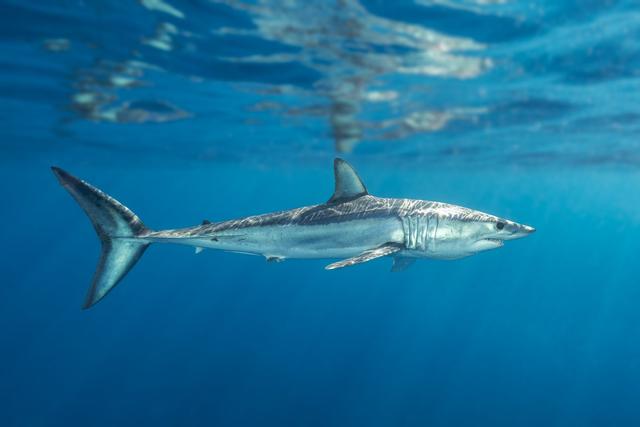 Shortfin Mako SharkThe fastest shark in the world
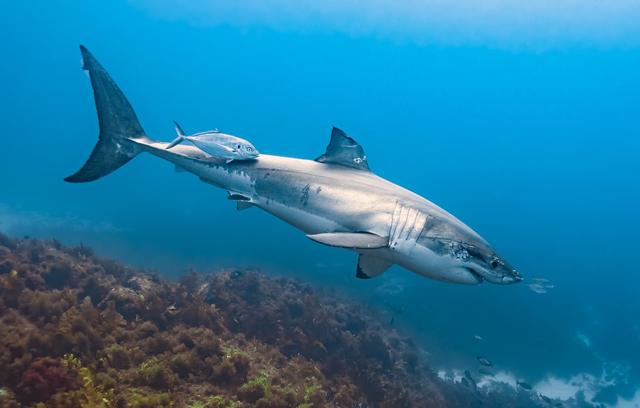 Great White SharkThe largest predatory fish on Earth
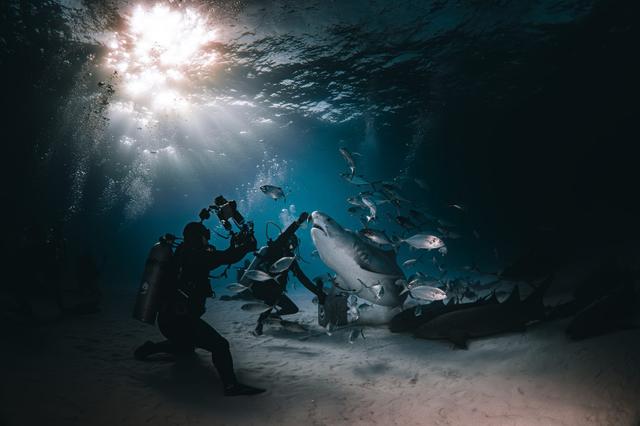 Tiger SharkThe shark that eats almost anything
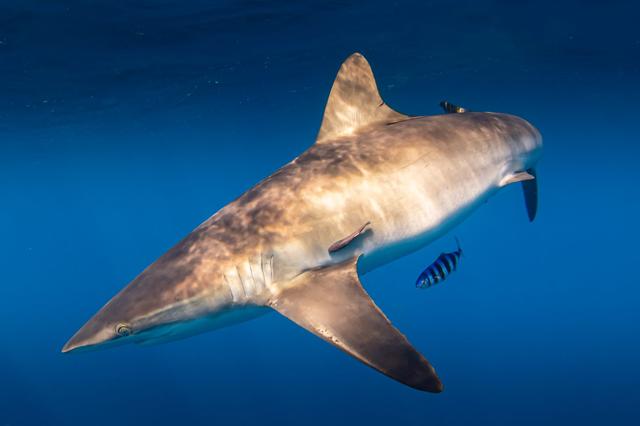 Silky SharkThe open-ocean shark the tuna fleets catch by the million
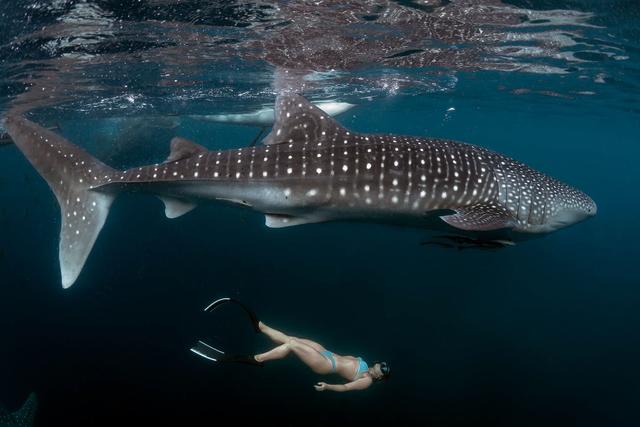 Whale SharkThe biggest fish in the sea
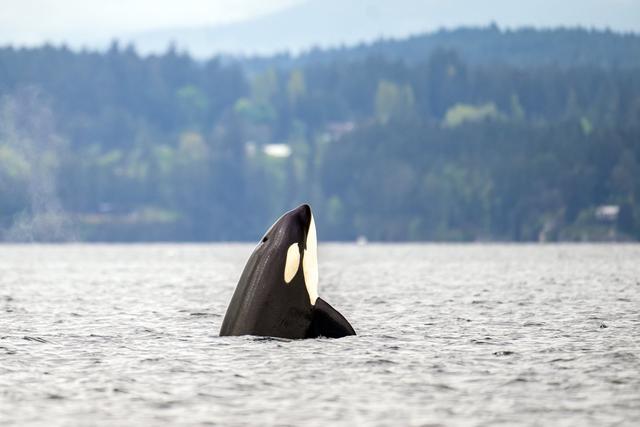 Orca (Killer Whale)The ocean's top predator, and the largest dolphin
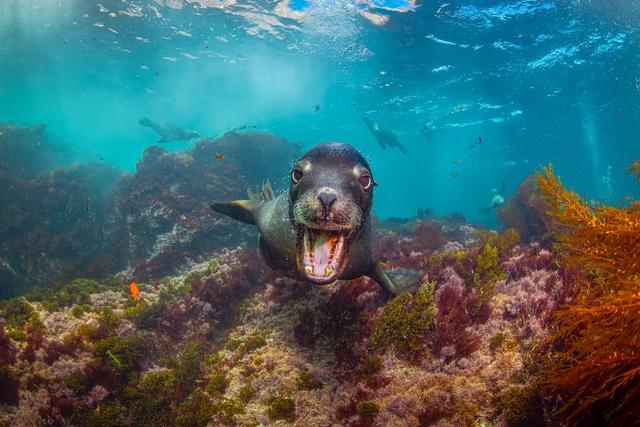 California Sea LionThe barking, curious acrobat of the Pacific coast
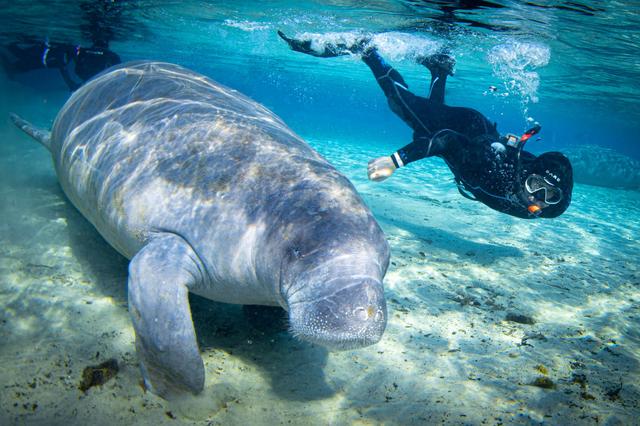 Florida ManateeThe gentle sea cow, and why it needs warm water and seagrass
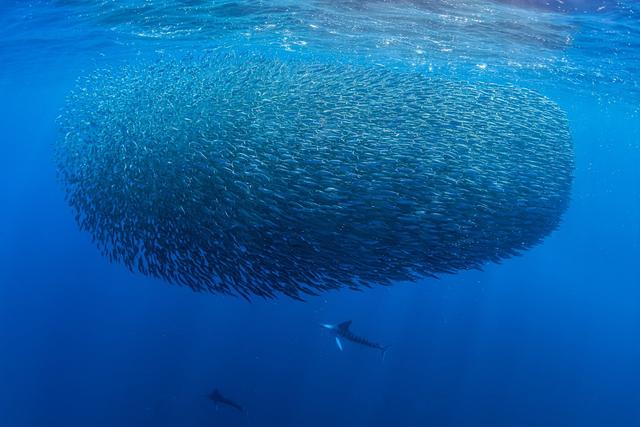 Pacific SardineThe small fish that feeds the whole coast
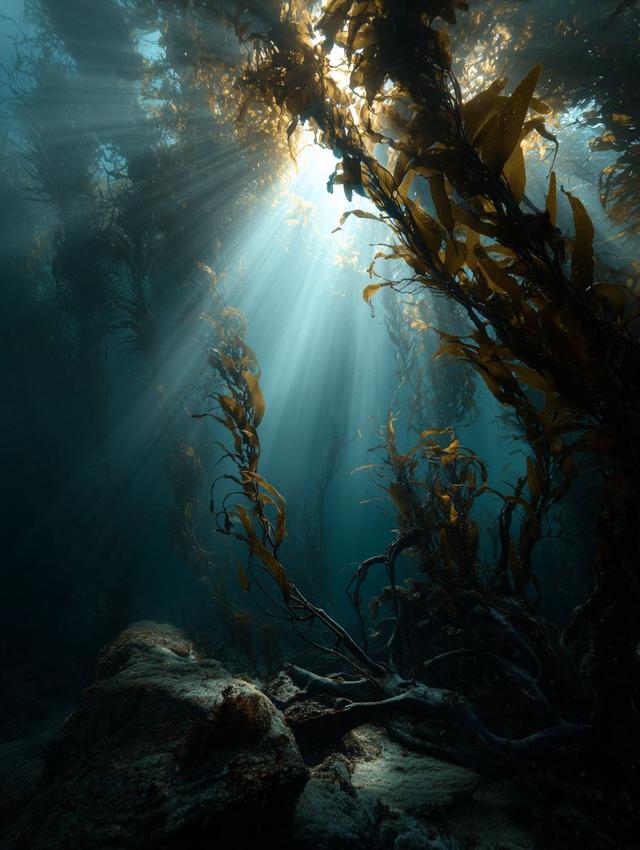 Giant KelpThe fastest-growing forest on Earth
Fund an Expedition
Every animal on this page is one our youth crews learn to film, count and protect. Your gift puts a kid on the boat at no cost to their family.
EIN 41-4167030 · 100% of net donations fund youth programs. Contributions are tax-deductible to the extent permitted by law.