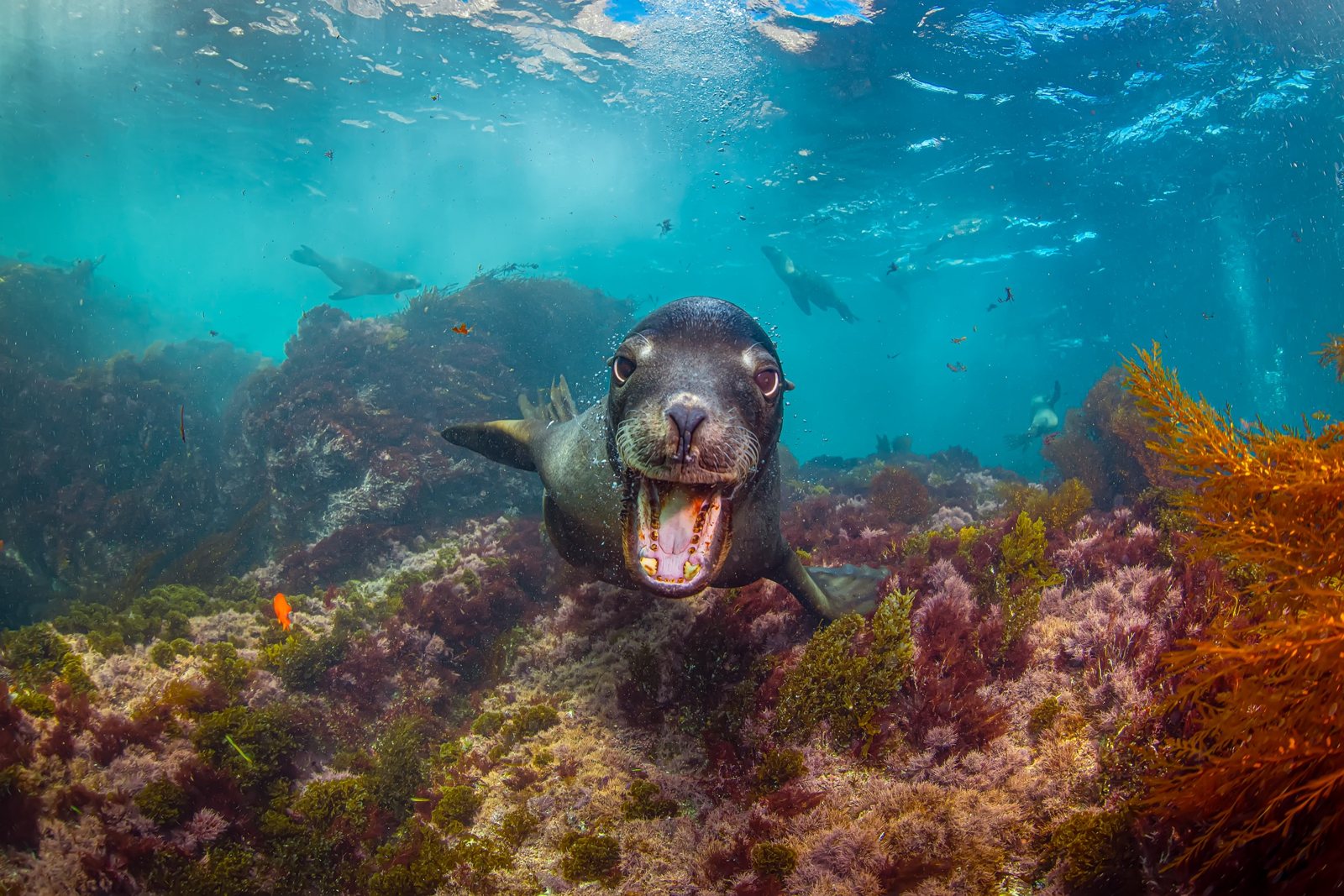
California Sea Lion
The California sea lion is the animal everyone on this coast knows: the bark on the harbor buoy, the shape on the bait dock, the pup on the beach. It is also a conservation success that is still being tested.
Adult males; females about 220 lb
NOAA FisheriesBurst swimming speed, among the fastest of any seal or sea lion
NOAA FisheriesLifespan in the wild
NOAA FisheriesIUCN; recovered under the Marine Mammal Protection Act of 1972
IUCN · NOAASea lion or seal? How to tell
California sea lions have small external ear flaps, long front flippers they use to swim, and hind flippers they can rotate forward to walk on land. Harbor seals, the other common animal on our coast, have no ear flaps, swim with their hind flippers and wriggle on their bellies ashore. If it barks and climbs onto a buoy, it is a sea lion.
Adult males are big, up to about 8 feet and 800 pounds, with a raised forehead crest; females are around 6 feet and 220 pounds. They live 20 to 30 years.
Speed, diving and diet
Sea lions are among the fastest swimmers of any seal or sea lion, with bursts near 25 miles per hour, and they routinely dive a few hundred feet, occasionally much deeper, for a few minutes at a time. They eat what the ocean offers: sardines, anchovies, mackerel, squid, hake and rockfish, mostly at night.
Where they breed
The big rookeries are on islands: San Miguel and San Nicolas in California's Channel Islands, where tens of thousands of pups are born each June, and the Coronado Islands and Baja coast in Mexico. Males fast for weeks defending beach territories; females give birth, mate again within days, and then alternate feeding trips at sea with nursing on the beach for close to a year.
A recovery that is still being tested
Hunted and culled into the early 1900s, California sea lions recovered after the Marine Mammal Protection Act of 1972 and now number in the hundreds of thousands, close to what the coast can support. That success has two sides: more animals on docks and beaches, and more animals exposed to new pressures.
The pressures are warm water, which pushes sardines and anchovies away from the rookeries and leaves pups starving, as in the strandings of 2013 to 2016; domoic acid from toxic algal blooms, which causes seizures and strands adults in bad years; entanglement in fishing line and packing straps; and gunshot wounds from conflicts over fish. Rescue centers along the coast exist mostly for this animal.
Everywhere. Newport Harbor's bait barge and buoys, the La Jolla Cove rookery in San Diego, Dana Point Harbor, the Channel Islands by boat, and the Coronado Islands south of San Diego, where our sea lion prints were taken. Keep at least 50 yards from animals on the beach; a resting sea lion is not a tame one.
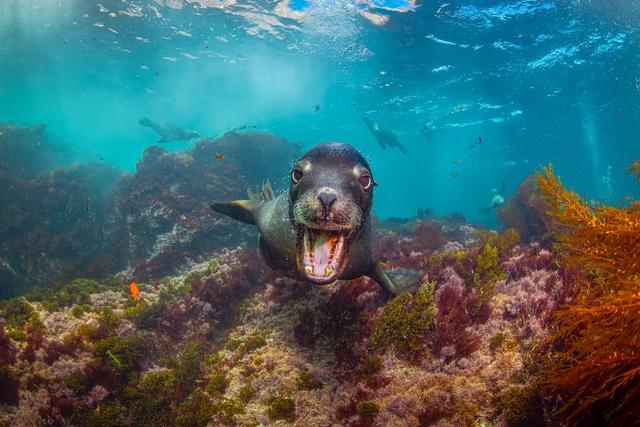 The printThe GreetingMuseum-quality, printed to order. Profit funds youth programs.
What we do about it: Citizen Science. The bigger picture: our guide to ocean conservation in Southern California.
California Sea Lion, Answered
What is the difference between a sea lion and a seal?
Sea lions have external ear flaps, swim with their long front flippers and can walk on their hind flippers; seals have no ear flaps, swim with their hind flippers and wriggle on land. Sea lions bark; seals are mostly quiet.
How big is a California sea lion?
Adult males reach about 8 feet and 800 pounds. Females are around 6 feet and 220 pounds.
How fast can a sea lion swim?
About 25 mph in short bursts, among the fastest of any seal or sea lion.
Why do sea lion pups wash up on California beaches?
Mostly food. In warm-water years sardines and anchovies move away from the rookeries, mothers travel farther, and pups are left to starve. Toxic algal blooms (domoic acid) also strand adults in some years. Call a rescue center rather than approaching.
Where can I see sea lions in Newport Beach or San Diego?
Newport Harbor's buoys and bait barge, La Jolla Cove in San Diego, Dana Point Harbor, and by boat the Channel Islands or the Coronado Islands south of San Diego.
- NOAA Fisheries species profile: California sea lion
- NOAA Fisheries: 2013–2016 California sea lion unusual mortality event
- IUCN Red List, Zalophus californianus
- The Marine Mammal Center: domoic acid toxicosis
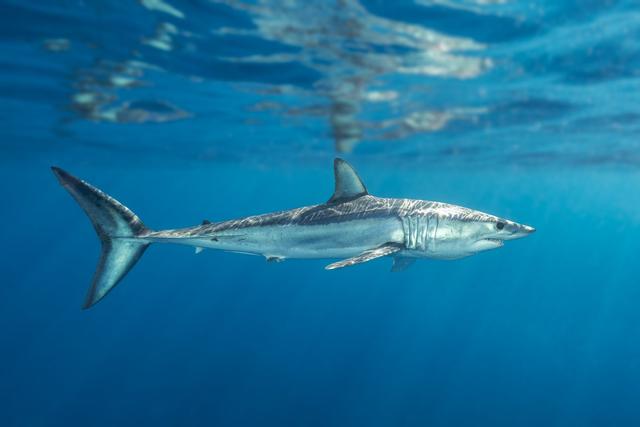 Shortfin Mako SharkThe fastest shark in the world
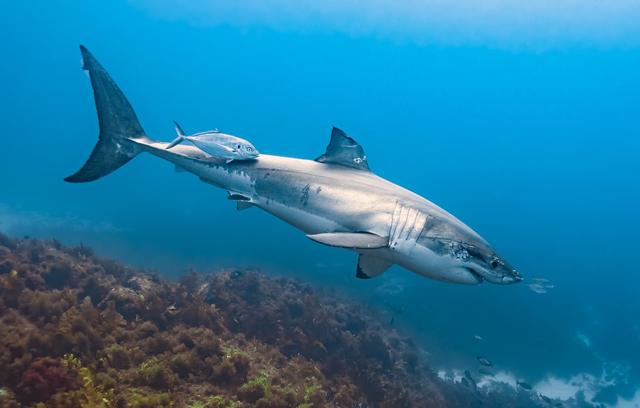 Great White SharkThe largest predatory fish on Earth
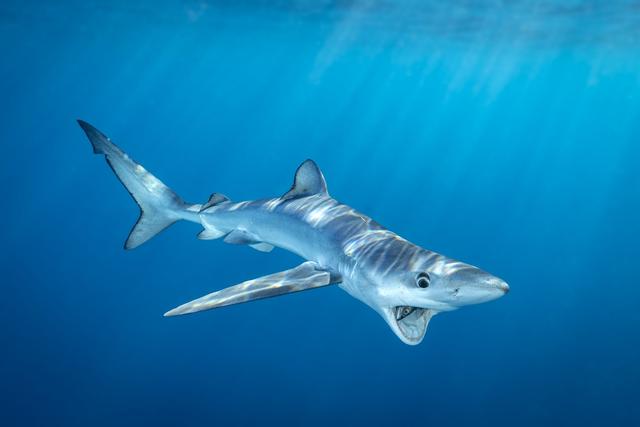 Blue SharkThe most widely travelled, and most heavily fished, shark
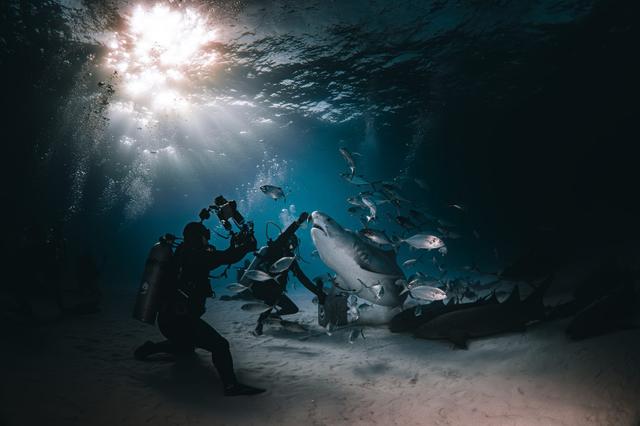 Tiger SharkThe shark that eats almost anything
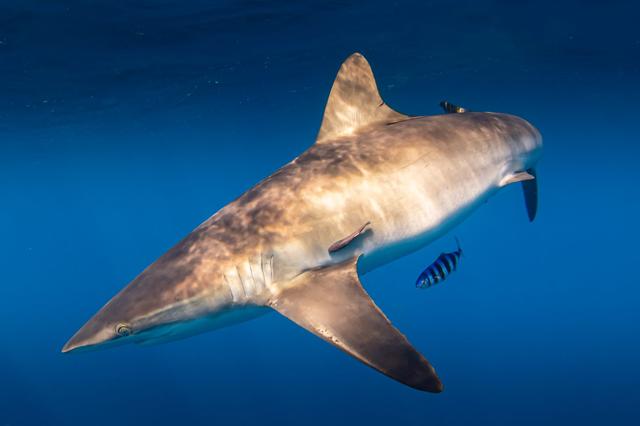 Silky SharkThe open-ocean shark the tuna fleets catch by the million
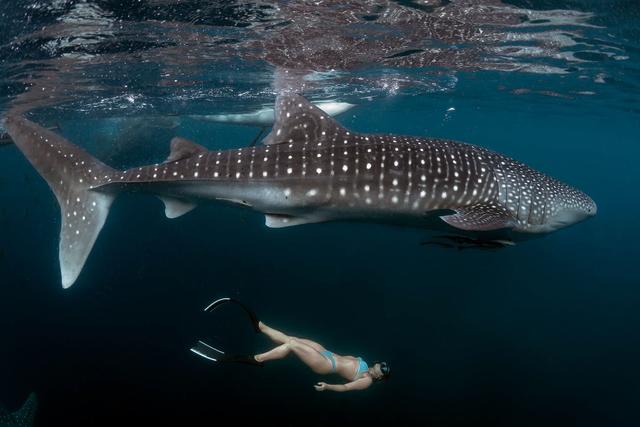 Whale SharkThe biggest fish in the sea
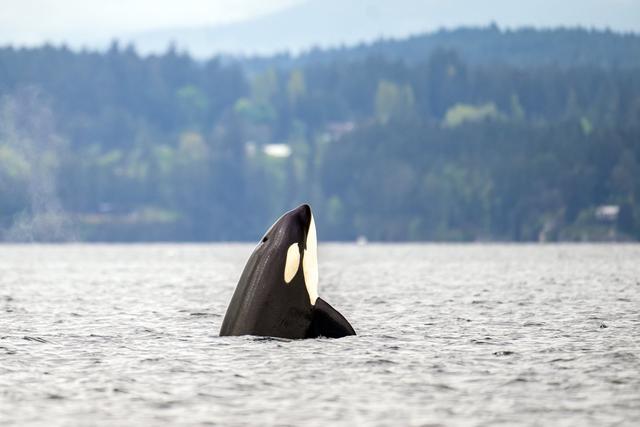 Orca (Killer Whale)The ocean's top predator, and the largest dolphin
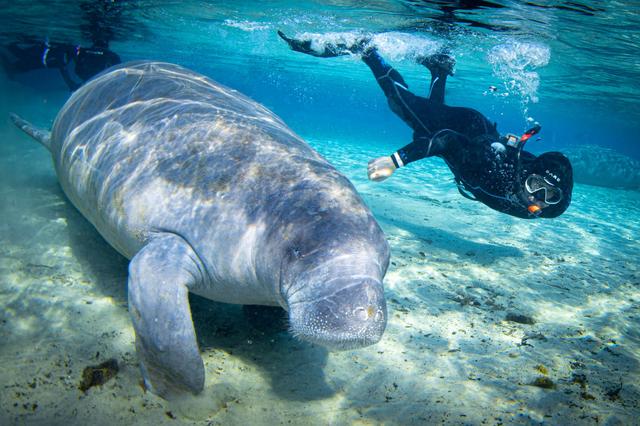 Florida ManateeThe gentle sea cow, and why it needs warm water and seagrass
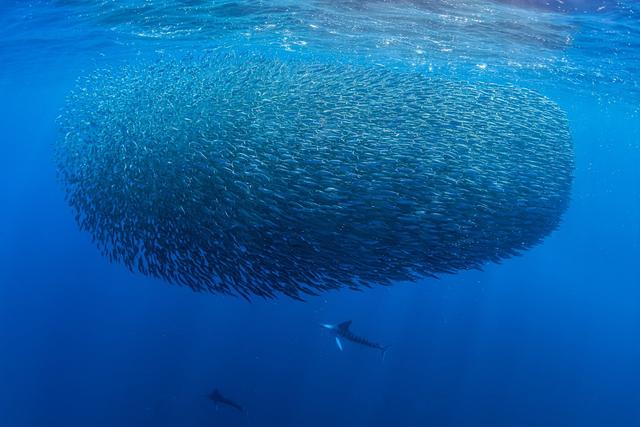 Pacific SardineThe small fish that feeds the whole coast
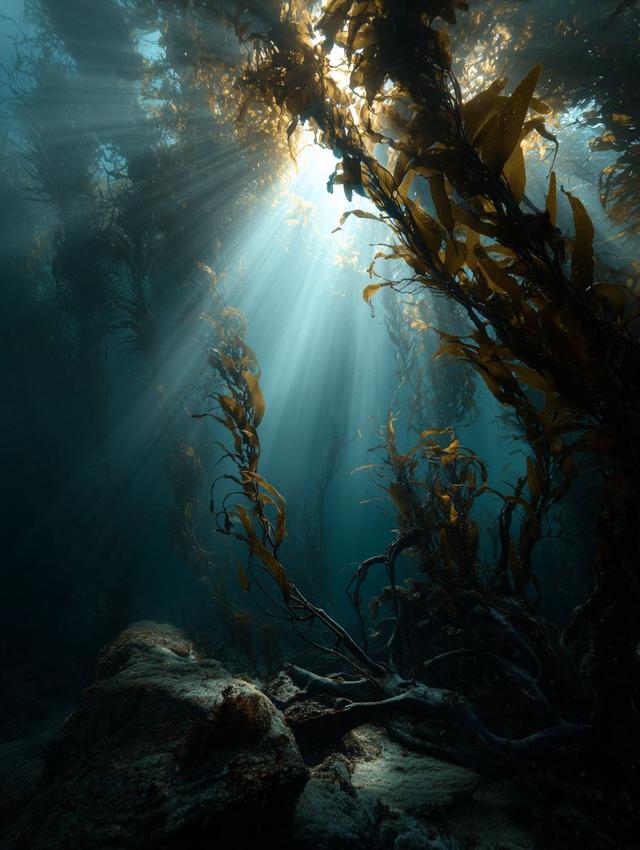 Giant KelpThe fastest-growing forest on Earth
Fund an Expedition
Every animal on this page is one our youth crews learn to film, count and protect. Your gift puts a kid on the boat at no cost to their family.
EIN 41-4167030 · 100% of net donations fund youth programs. Contributions are tax-deductible to the extent permitted by law.