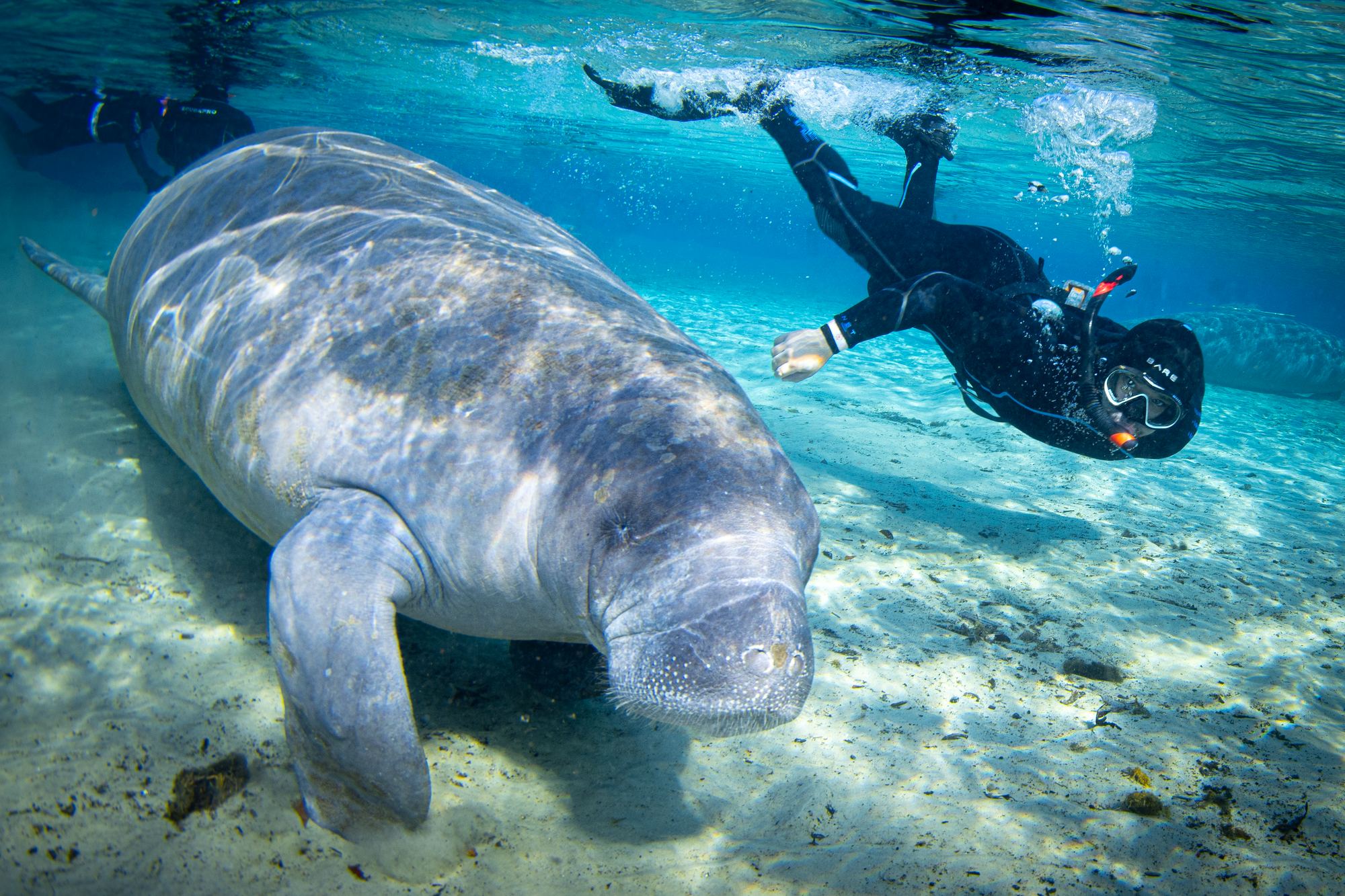
Florida Manatee
Manatees are slow, curious plant eaters that need two things Florida is losing: warm water in winter and healthy seagrass. Most of the threats they face come from people, and so do most of the fixes.
Average adult length, about 1,000 lb; the largest reach about 13 ft and 3,500 lb
U.S. Fish & Wildlife ServiceOf its body weight in plants eaten every day, mostly seagrass
Florida Fish and Wildlife Conservation CommissionWater colder than about this for long periods can kill them
FWCU.S. Endangered Species Act status since 2017; IUCN lists the species as Vulnerable
USFWS · IUCN Red ListA sea cow related to elephants
Manatees belong to the Sirenia, a small order of fully aquatic plant eaters that also includes the dugong. Their closest living relatives on land are elephants and hyraxes. Adults average about 10 feet and 1,000 pounds, and the biggest reach about 13 feet and 3,500 pounds. They can live for decades, 60 years or more in some cases.
They are slow by design. A manatee cruises at a few miles an hour, surfaces every few minutes to breathe when active, and can rest on the bottom for up to about 20 minutes between breaths, which is how the one in the photograph at the top of this page was found. The diver beside it is My Clean Ocean founder Javier Mendoza, in Florida.
Why manatees crowd into springs every winter
Manatees have little body fat for their size and a slow metabolism, so cold water is dangerous for them. Below roughly 68°F, long exposure can cause cold stress, which weakens and can kill them. Each winter thousands move into natural springs, which stay around 72°F all year, and into the warm-water outflows of power plants.
That is why places like Crystal River and Blue Spring fill with manatees from November to March, and why protecting those springs, their flow and their water quality matters as much as protecting the animals themselves.
Seagrass, boats and a hard few years
An adult eats around 10 to 15 percent of its body weight in plants every day, mostly seagrass. When pollution and algae blooms wiped out much of the seagrass in Florida's Indian River Lagoon, manatees starved: Florida recorded more than 1,100 manatee deaths in 2021, a record, and the losses were declared an unusual mortality event.
Boat strikes are the leading human cause of manatee deaths, and many adults carry propeller scars that researchers use to identify them. Slow-speed zones, seagrass restoration and cleaner water are the tools that work. The species was moved from endangered to threatened under the Endangered Species Act in 2017; conservation groups have since asked for that protection to be restored, so check the current listing before quoting it.
How to watch a manatee the right way
Manatees are protected by federal law and by the Florida Manatee Sanctuary Act. The rule of thumb is passive observation: look, don't touch. Don't chase, feed or give water to a manatee, don't separate a mother and calf, and don't disturb one that is resting. If a manatee comes to you, stay still and let it decide. Crystal River is the only place in the United States where people may legally swim with wild manatees, and only under those rules.
There are no manatees on the West Coast: Florida and West Indian manatees live in the Atlantic, the Gulf and the Caribbean. The Pacific once had its own sea cow, Steller's sea cow, a giant up to about 30 feet long that lived in the cold North Pacific. It was hunted to extinction by 1768, within about 27 years of being described by scientists, which is why protecting the sea cows that are left matters.
What we do about it: Youth Ocean Experience. The bigger picture: our guide to ocean conservation in Southern California.
Florida Manatee, Answered
How big do manatees get?
Adults average about 10 feet and 1,000 pounds. The largest reach about 13 feet and 3,500 pounds.
What do manatees eat?
Plants. A manatee eats about 10 to 15 percent of its body weight a day, mostly seagrass, along with freshwater plants and algae.
Why do manatees go to springs in winter?
Cold water below about 68°F is dangerous for them. Florida's springs stay around 72°F all year, so manatees gather there, and at power plant outflows, from roughly November to March.
Are manatees endangered?
The West Indian manatee, which includes the Florida manatee, was reclassified from endangered to threatened under the U.S. Endangered Species Act in 2017, and the IUCN lists it as Vulnerable. Seagrass loss and boat strikes remain the biggest threats.
Can you touch a manatee?
No. Manatees are protected by federal and Florida law. Touching, chasing, feeding or disturbing one is illegal; watch from a respectful distance and let the animal decide how close it comes.
Are there manatees in California?
No. Manatees live in the Atlantic, the Gulf of Mexico and the Caribbean. The Pacific's own sea cow, Steller's sea cow, was hunted to extinction by 1768.
- U.S. Fish & Wildlife Service: West Indian manatee species profile and 2017 reclassification
- Florida Fish and Wildlife Conservation Commission: manatee facts, mortality statistics and the 2020–2022 unusual mortality event
- IUCN Red List, Trichechus manatus
- Save the Manatee Club: viewing guidelines
- Smithsonian: Steller's sea cow
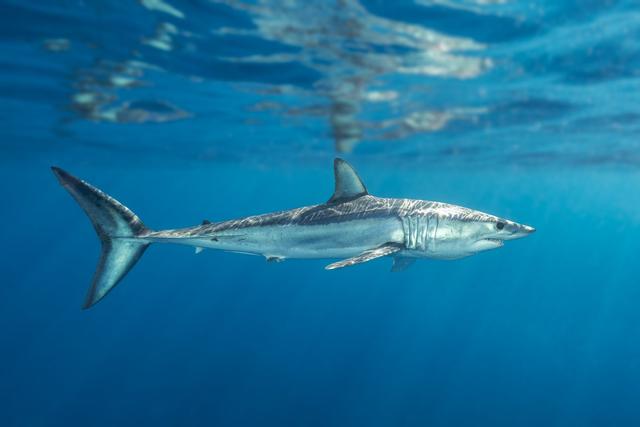 Shortfin Mako SharkThe fastest shark in the world
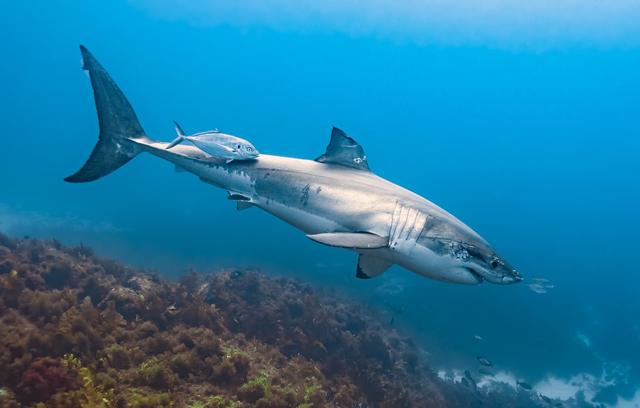 Great White SharkThe largest predatory fish on Earth
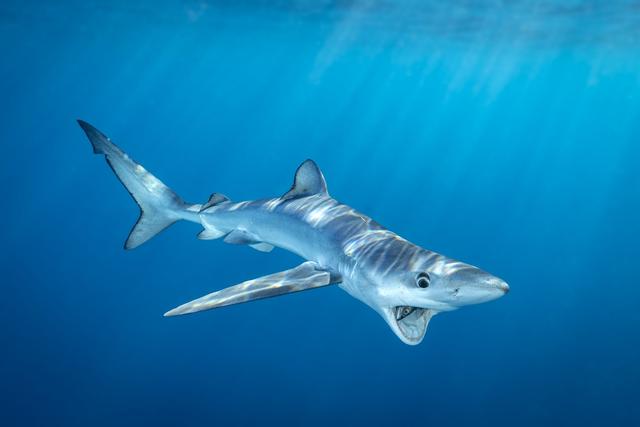 Blue SharkThe most widely travelled, and most heavily fished, shark
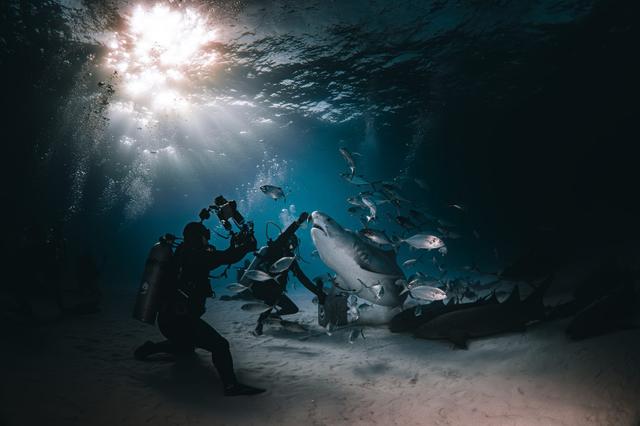 Tiger SharkThe shark that eats almost anything
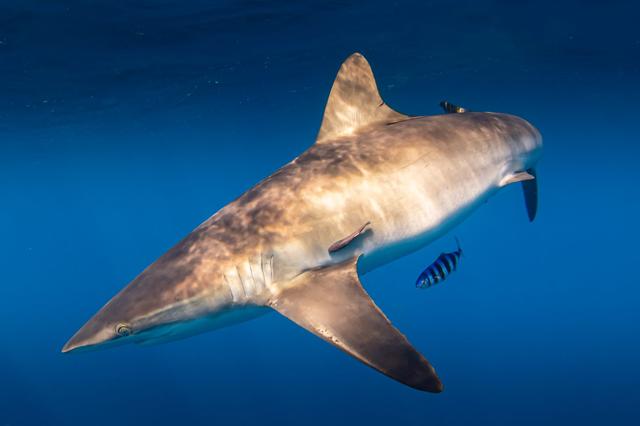 Silky SharkThe open-ocean shark the tuna fleets catch by the million
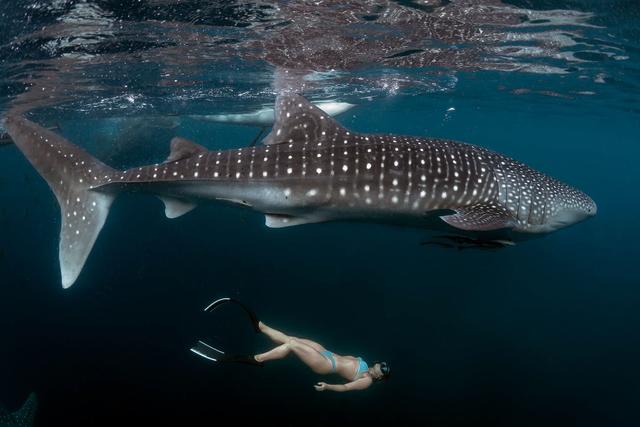 Whale SharkThe biggest fish in the sea
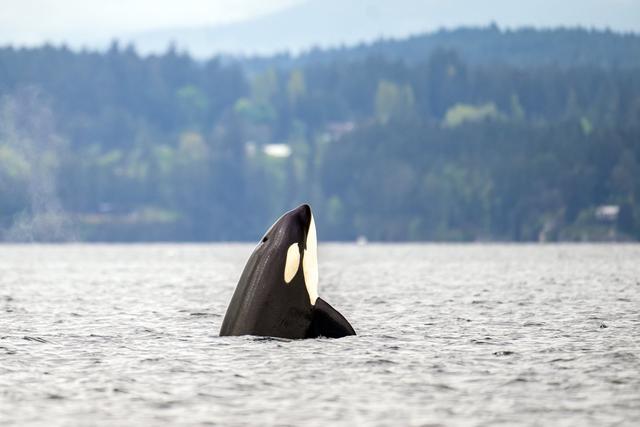 Orca (Killer Whale)The ocean's top predator, and the largest dolphin
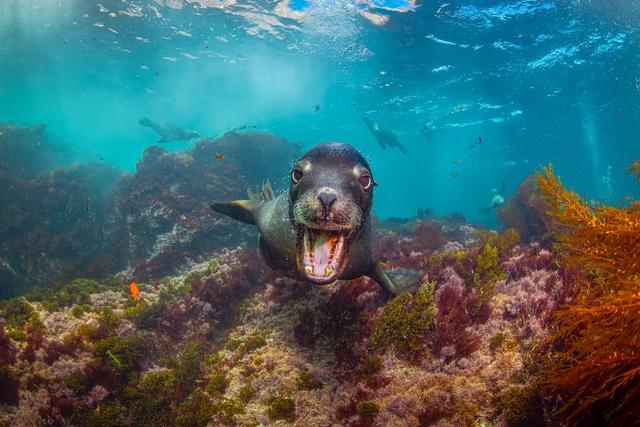 California Sea LionThe barking, curious acrobat of the Pacific coast
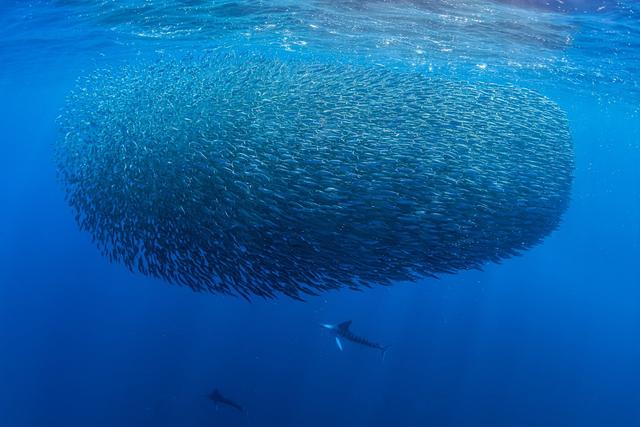 Pacific SardineThe small fish that feeds the whole coast
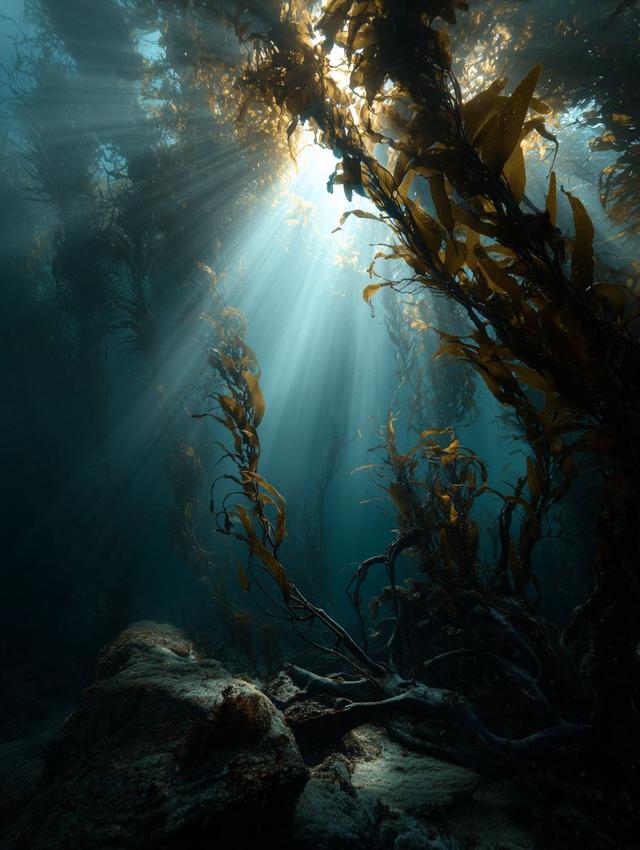 Giant KelpThe fastest-growing forest on Earth
Fund an Expedition
Every animal on this page is one our youth crews learn to film, count and protect. Your gift puts a kid on the boat at no cost to their family.
EIN 41-4167030 · 100% of net donations fund youth programs. Contributions are tax-deductible to the extent permitted by law.