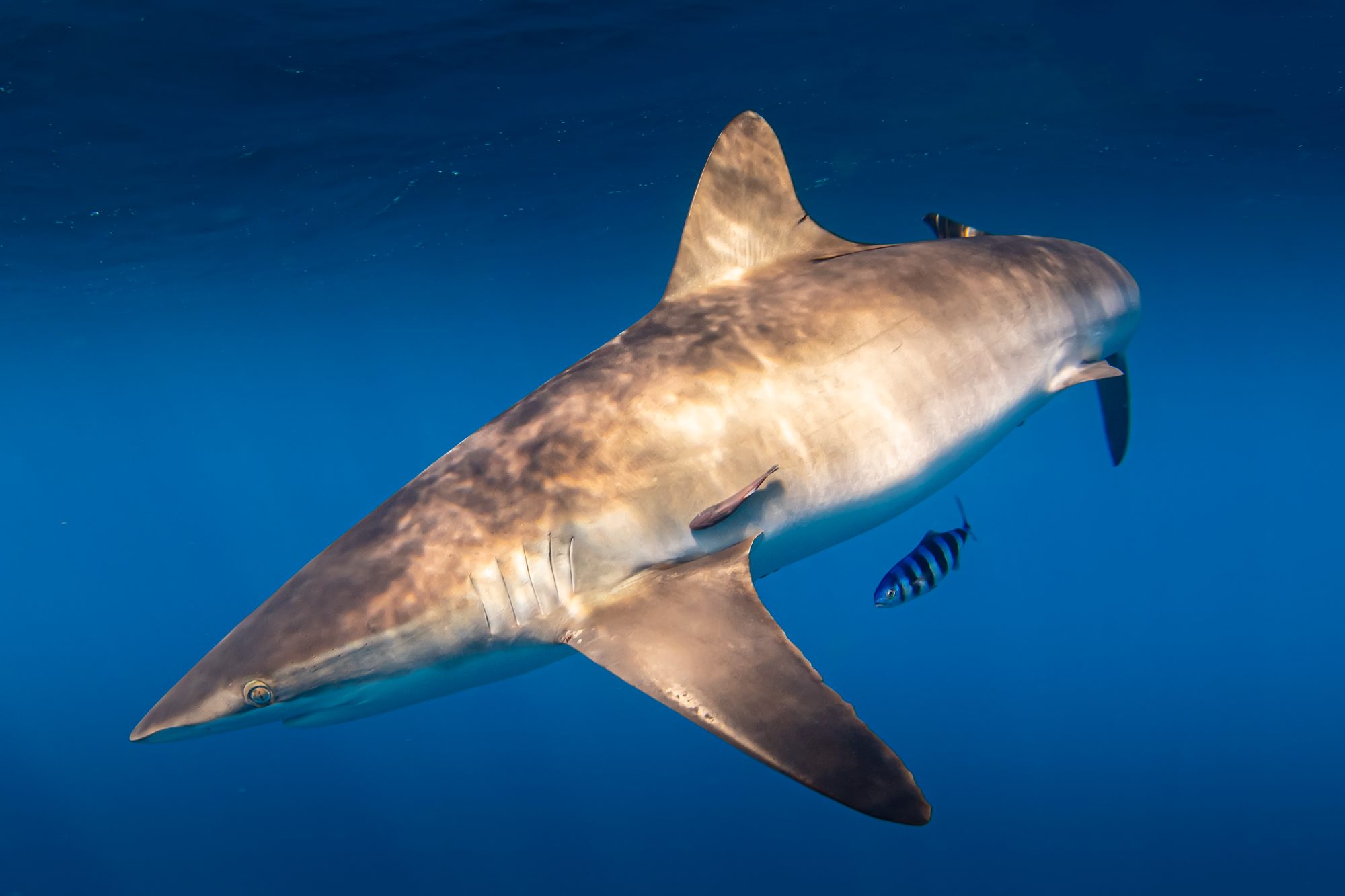
Silky Shark
Sleek, bronze and curious, the silky shark lives far from shore in warm open water. It is one of the most common sharks of the high seas, and one of the most caught.
Typical adult length; the largest reach about 11 ft
Florida MuseumNamed for its smooth skin, covered in unusually small, tightly packed scales
Florida MuseumIUCN Red List status, after steep declines from fishing
IUCNYear silky sharks were added to CITES Appendix II, which regulates the fin trade
CITESHow to recognise a silky shark
Silky sharks are slim and streamlined, with a long, rounded snout, very long narrow pectoral fins and a bronze-to-grey back that turns white underneath. The first dorsal fin starts behind the pectoral fins, and the small second dorsal fin has a long trailing tip, the clearest way to tell a silky from the similar dusky shark. The skin feels smooth to the touch because its scales are tiny and tightly packed, which gives the species its name.
Silkies are often followed by pilot fish, the striped fish in the photograph at the top of this page, which ride the shark's pressure wave and pick up scraps.
A shark of the open ocean
Silky sharks live in warm water around the world, mostly offshore near the edge of the continental shelf and out over deep water, from the surface down to a few hundred feet. They eat tuna, mackerel and other schooling fish, along with squid, and they gather around anything that floats, from logs to buoys, because fish gather there too.
Why silky sharks are Vulnerable
That habit of gathering under floating objects is what puts them in danger. Tuna fleets set nets around fish aggregating devices, floating rafts built to attract tuna, and silky sharks are caught alongside the tuna in large numbers. They are also taken on longlines, and their fins are among the most common in the international fin trade.
The IUCN lists the silky shark as Vulnerable. Since 2016 it has been on CITES Appendix II, which means international trade in its fins requires permits showing the catch was legal and sustainable. Some fisheries now ban landing silkies, and research into releasing them alive from tuna nets is ongoing.
Silky sharks are warm-water animals and are rarely seen off Southern California; the eastern Pacific population lives mostly from Baja California south. Our crews meet them in warmer seas.
What we do about it: Blue Lens. The bigger picture: our guide to ocean conservation in Southern California.
Silky Shark, Answered
Why is it called a silky shark?
Its skin is covered in unusually small, tightly packed scales (dermal denticles), so it feels smooth, almost silky, compared with other sharks.
How big do silky sharks get?
Adults are typically about 8 feet long, and the largest reach about 11 feet.
Are silky sharks dangerous?
They are curious and can be persistent around divers and boats, but bites are very rare. Like any large shark they deserve respect and space.
Are silky sharks endangered?
The IUCN lists them as Vulnerable. Large numbers are caught as bycatch in tuna fisheries and for the fin trade, and since 2016 their international trade has been regulated under CITES Appendix II.
How do you tell a silky shark from a dusky shark?
Look at the fins: a silky's first dorsal fin starts behind the pectoral fins, and its small second dorsal fin has a long trailing tip. Silkies are also slimmer, with longer, narrower pectoral fins.
- IUCN Red List, Carcharhinus falciformis
- CITES Appendix II listing of silky sharks (CoP17, 2016)
- Florida Museum of Natural History, Discover Fishes: Silky shark
- NOAA Fisheries: shark bycatch in tuna purse-seine fisheries
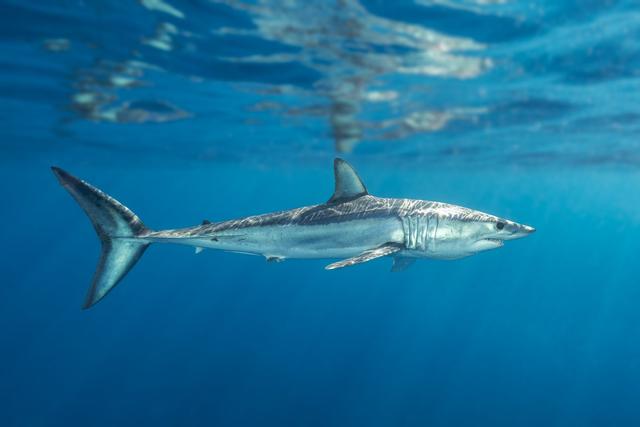 Shortfin Mako SharkThe fastest shark in the world
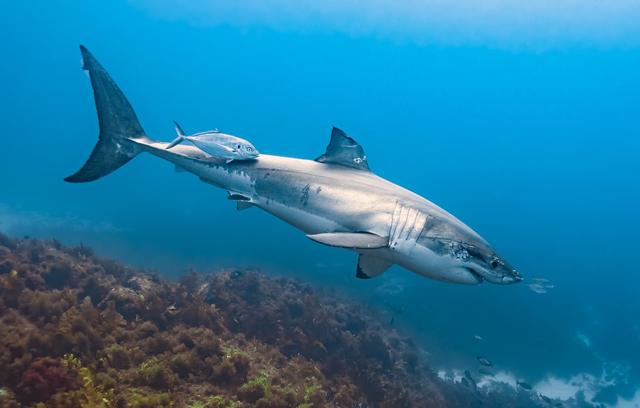 Great White SharkThe largest predatory fish on Earth
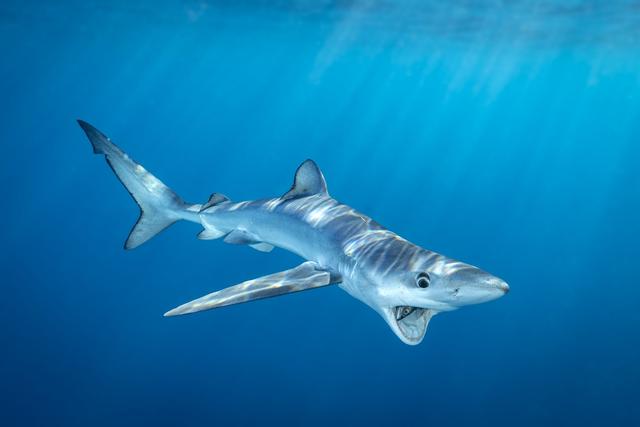 Blue SharkThe most widely travelled, and most heavily fished, shark
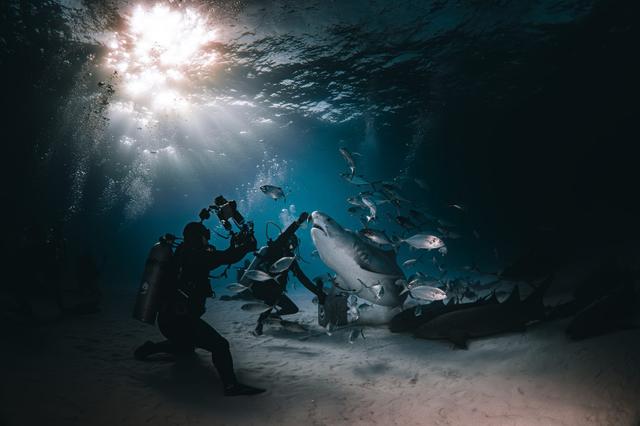 Tiger SharkThe shark that eats almost anything
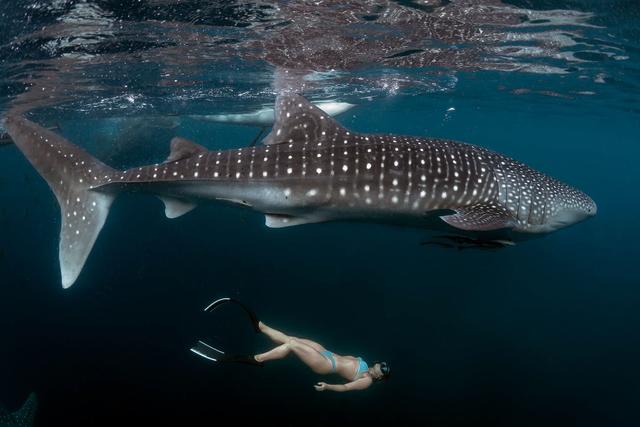 Whale SharkThe biggest fish in the sea
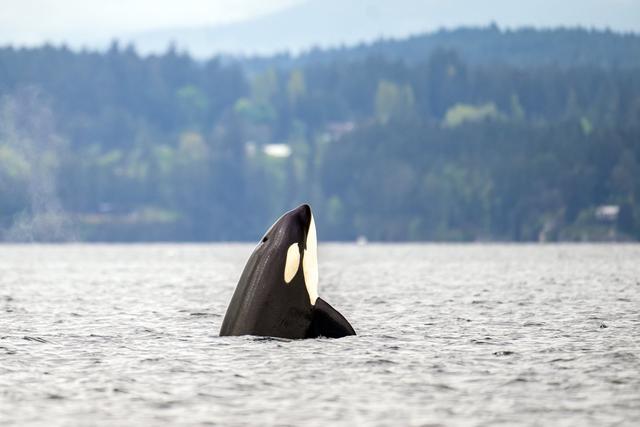 Orca (Killer Whale)The ocean's top predator, and the largest dolphin
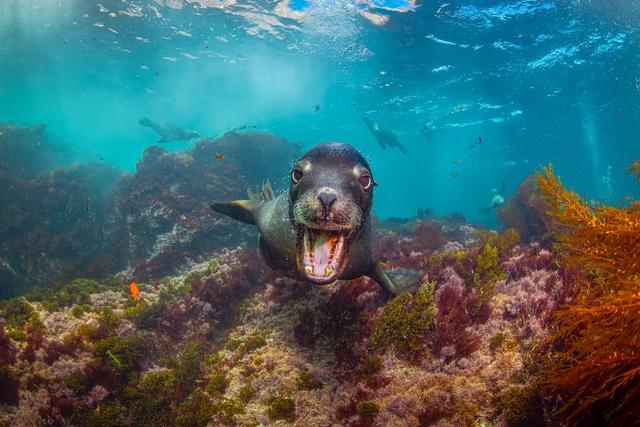 California Sea LionThe barking, curious acrobat of the Pacific coast
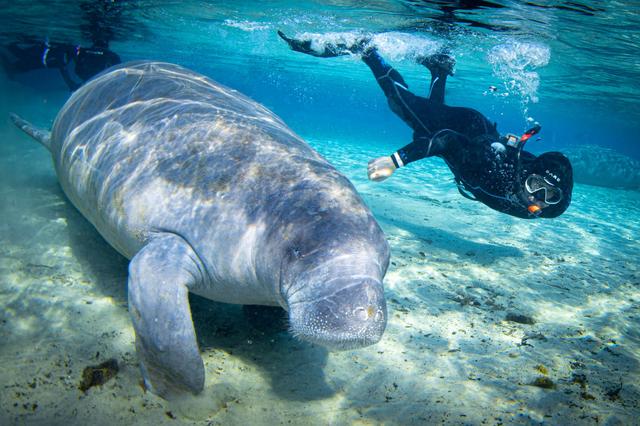 Florida ManateeThe gentle sea cow, and why it needs warm water and seagrass
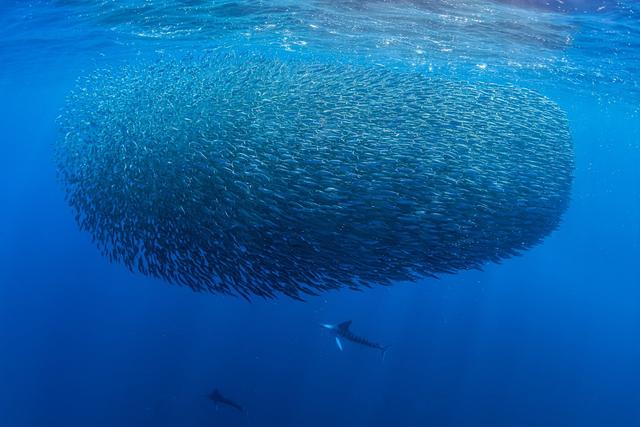 Pacific SardineThe small fish that feeds the whole coast
 Giant KelpThe fastest-growing forest on Earth
Fund an Expedition
Every animal on this page is one our youth crews learn to film, count and protect. Your gift puts a kid on the boat at no cost to their family.
EIN 41-4167030 · 100% of net donations fund youth programs. Contributions are tax-deductible to the extent permitted by law.