Orca (Killer Whale)
Orcas are dolphins, the largest of them, and the most capable hunters in the sea. Different populations eat different things, and one of them is running out of food.
Length of the largest males; females to about 28 ft
NOAA FisheriesWeight of a big male, up to about 11,000 lb or more
NOAA FisheriesBurst speed, among the fastest marine mammals
NOAA FisheriesSouthern Resident orcas left; endangered since 2005
NOAA Fisheries · Center for Whale ResearchA dolphin, not a whale
Despite the name, the killer whale is the largest member of the dolphin family. Males reach about 32 feet and six tons, with a dorsal fin that can stand six feet tall; females are smaller, around 23 to 28 feet. They can live long lives: females to 80 years or more, males to around 50 or 60.
Orcas live in family groups led by older females, and each population has its own dialect of calls and its own hunting culture, passed from mothers to calves. In the Pacific Northwest, grandmother orcas lead pods to the best salmon.
What orcas eat depends on who they are
Orcas as a species eat almost anything that swims, from herring to great white sharks to blue whales. But individual populations specialise. Along the West Coast there are three kinds: Resident orcas that eat fish, mostly Chinook salmon; Bigg's, or transient, orcas that hunt seals, sea lions, porpoises and whales; and offshore orcas that eat sharks and other fish far out at sea. They do not interbreed and they do not share meals.
Why the Southern Residents are endangered
The Southern Resident killer whales, the salmon-eating pods of Washington and British Columbia, numbered around 73 at the most recent counts, down from about 98 in the mid-1990s. They were listed under the Endangered Species Act in 2005. The causes are clear: too few Chinook salmon, vessel noise that makes it harder to hunt by sound, and pollutants such as PCBs stored in their fat.
Meanwhile Bigg's orcas in the same waters are thriving, because the seals and sea lions they eat have recovered. The difference between the two is the clearest lesson in the Pacific Northwest: the whales are only as healthy as their food.
A spy hop, and other behaviour
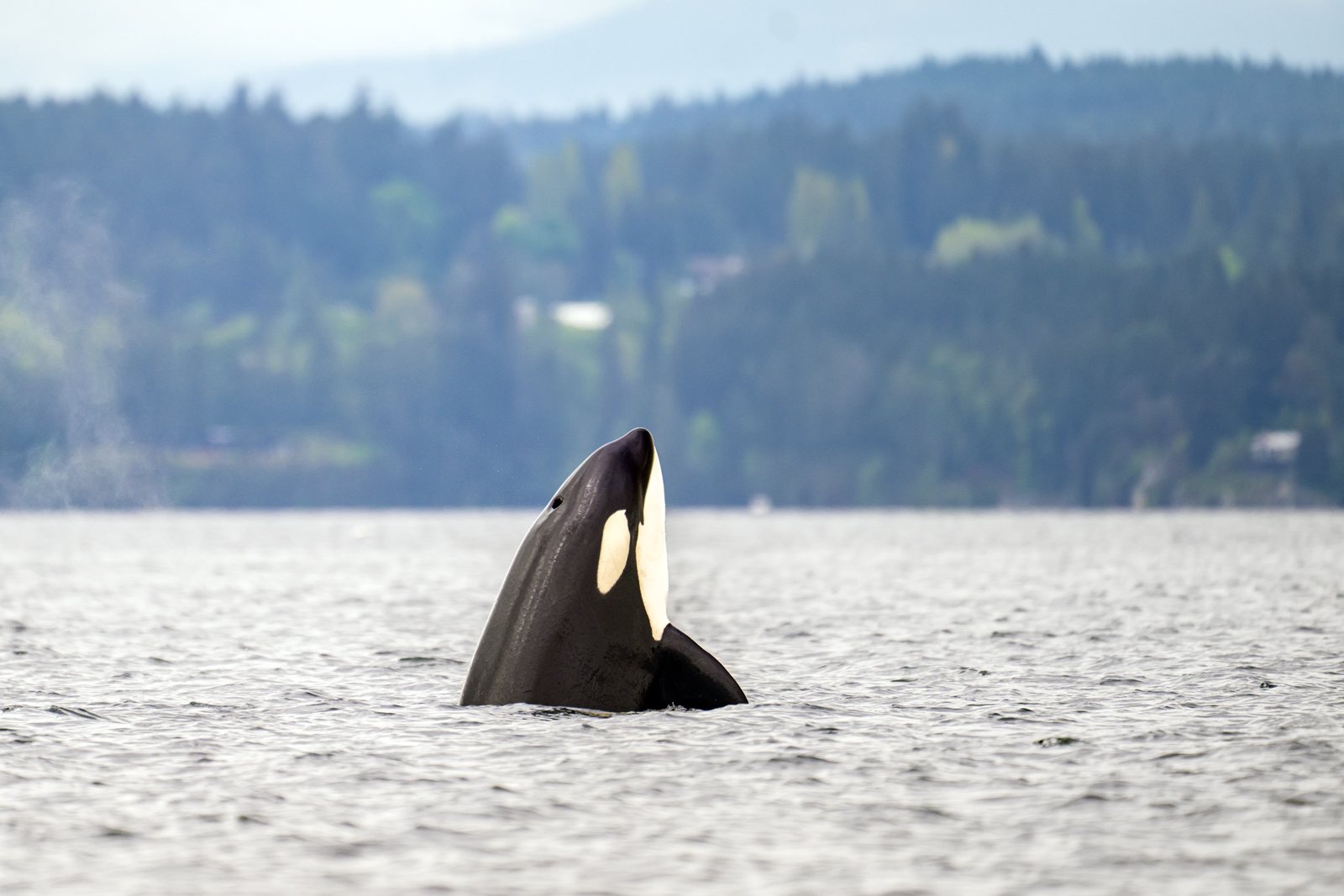
The photograph at the top of this page shows a spy hop: the whale holds itself vertically at the surface to see above the water, including the boat and the people on it. Orcas also breach, slap their tails, and ride the pressure wave of boats. All of it is best watched from the distance the law requires.
Orcas are occasional, not regular, off Southern California. Bigg's orcas from the Pacific Northwest and a group known as the Eastern Tropical Pacific orcas pass through, often following gray whale calves in spring or dolphins in winter. A sighting off Newport, Dana Point or San Diego makes local news for a reason.
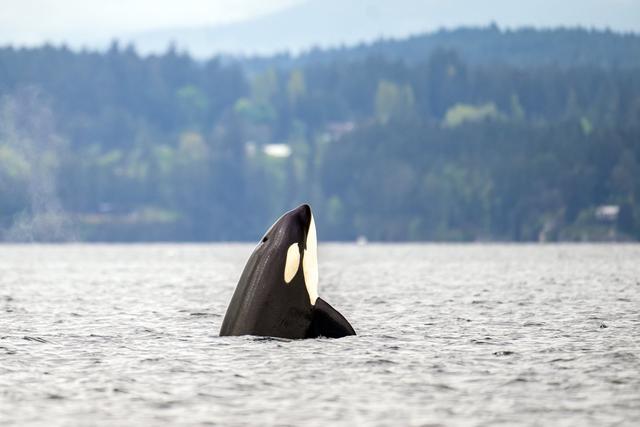 The printThe Spy HopMuseum-quality, printed to order. Profit funds youth programs.
What we do about it: Ocean conservation. The bigger picture: our guide to ocean conservation in Southern California.
Orca (Killer Whale), Answered
Is an orca a whale or a dolphin?
A dolphin. The orca, or killer whale, is the largest member of the dolphin family, Delphinidae. Males reach about 32 feet and six tons.
How fast can an orca swim?
Bursts of more than 30 mph, which makes orcas among the fastest marine mammals. They cruise far more slowly.
What do orcas eat?
It depends on the population. West Coast Resident orcas eat fish, mostly Chinook salmon; Bigg's (transient) orcas hunt seals, sea lions and whales; offshore orcas eat sharks and other fish.
Why are Southern Resident orcas endangered?
Too few Chinook salmon, vessel noise that interferes with hunting by sound, and pollutants such as PCBs. About 73 remain, and they have been listed under the Endangered Species Act since 2005.
Are there orcas in Southern California?
Occasionally. Transient (Bigg's) orcas and Eastern Tropical Pacific orcas pass through, often in spring and winter, and sightings off Orange County and San Diego happen most years.
- NOAA Fisheries species profile: Killer whale
- NOAA Fisheries Southern Resident killer whale recovery program (ESA listing 2005)
- Center for Whale Research annual census
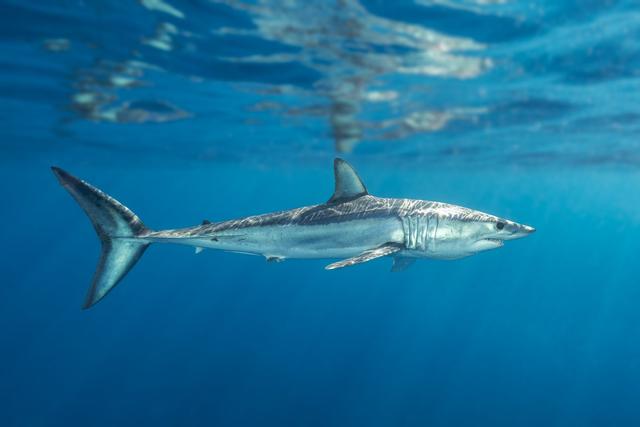 Shortfin Mako SharkThe fastest shark in the world
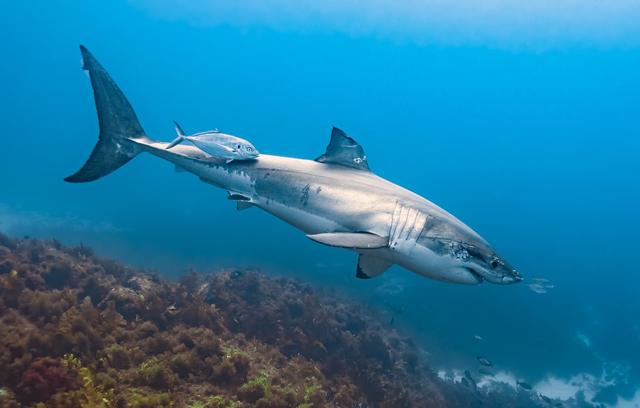 Great White SharkThe largest predatory fish on Earth
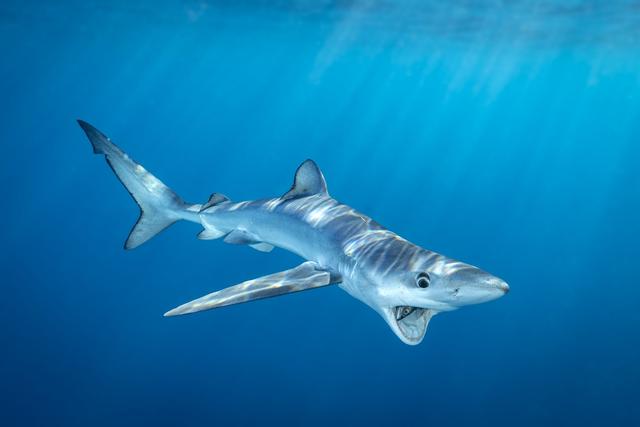 Blue SharkThe most widely travelled, and most heavily fished, shark
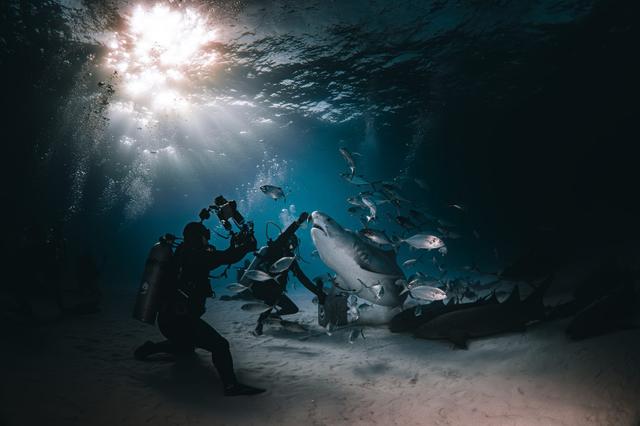 Tiger SharkThe shark that eats almost anything
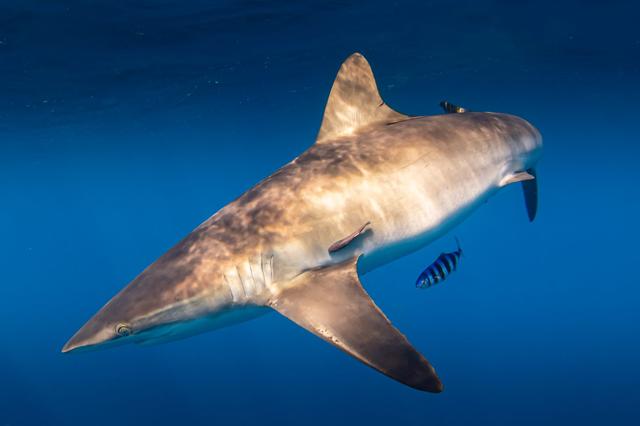 Silky SharkThe open-ocean shark the tuna fleets catch by the million
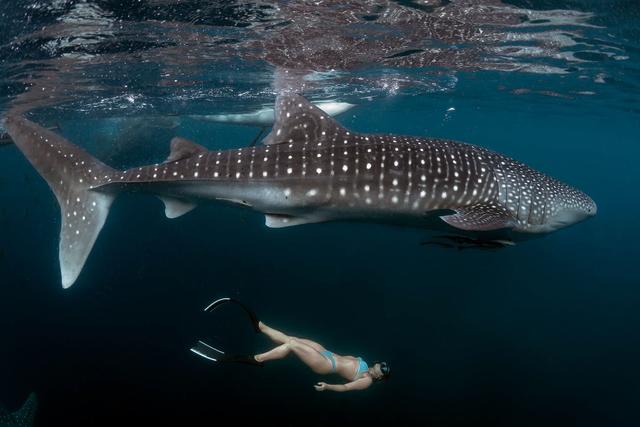 Whale SharkThe biggest fish in the sea
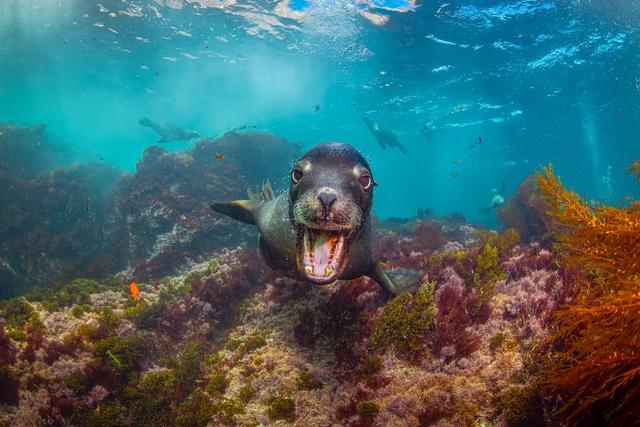 California Sea LionThe barking, curious acrobat of the Pacific coast
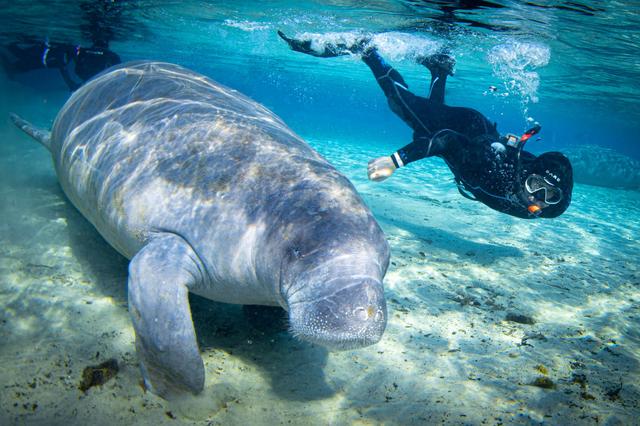 Florida ManateeThe gentle sea cow, and why it needs warm water and seagrass
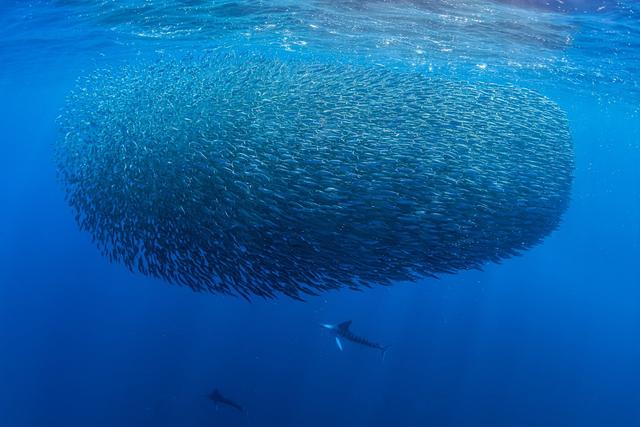 Pacific SardineThe small fish that feeds the whole coast
 Giant KelpThe fastest-growing forest on Earth
Fund an Expedition
Every animal on this page is one our youth crews learn to film, count and protect. Your gift puts a kid on the boat at no cost to their family.
EIN 41-4167030 · 100% of net donations fund youth programs. Contributions are tax-deductible to the extent permitted by law.