
Giant Kelp
Giant kelp is not an animal, but every animal on this page depends on it. It grows faster than anything else alive, and off California it is in trouble.
Growth rate in good conditions, among the fastest of any organism
NOAALength of a mature frond from holdfast to surface canopy
NOAAOf species that live in, on and around a kelp forest
NOAA · Monterey Bay AquariumThe marine heatwave that stripped kelp from long stretches of the coast
Rogers-Bennett & Catton 2019What giant kelp is
Giant kelp is a brown alga, not a plant: it has no roots, drawing everything it needs from the water through its blades. A holdfast grips the rock, a stalk rises toward the light, and gas-filled floats at the base of each blade hold the canopy at the surface. In clear, cool, nutrient-rich water a frond can grow up to two feet in a day and reach more than a hundred feet.
Why a kelp forest matters
A kelp forest is the coast's rainforest. The canopy shades and calms the water; the mid-water is a nursery for fish; the holdfasts shelter crabs, snails, brittle stars and worms. Hundreds of species live in, on and around giant kelp, including the fish that sea lions eat, the lobsters and sheephead that eat urchins, and the juvenile white sharks that hunt along its edges. Kelp also takes up carbon as it grows and softens the force of waves on the shore.
Why California's kelp is disappearing
Giant kelp needs water cooler than about 68°F and rich in nutrients. The marine heatwave of 2014 to 2016, the warm mass nicknamed the Blob, starved kelp across the coast, and at the same time a wasting disease wiped out the sunflower sea stars that eat sea urchins. Unchecked, purple urchins mowed the kelp down and left bare rock, known as urchin barrens. Northern California lost the great majority of its bull kelp, a different species; Southern California's giant kelp beds have thinned and vanished in patches, from Palos Verdes to San Diego, and recover unevenly in cool years.
How kelp is restored
Restoration works at the urchin end of the problem. Divers remove purple urchins from barrens by hand, in some places by the ton, and giant kelp returns on its own within months where spores can settle. Longer-term tools include protecting the urchins' predators, sea otters, sheephead and lobster, and out-planting kelp grown in the lab. That is the work our Guardians of the Kelp program is built around, with youth divers trained to survey and, in time, to help restore the beds off Orange County.
Kelp forests line the rocky coast from Palos Verdes through Laguna Beach to La Jolla, and ring Catalina and the Channel Islands. Crystal Cove and Laguna's marine reserves are the easiest places to see one from a kayak or a snorkel; Catalina's Casino Point is the classic Southern California kelp dive.
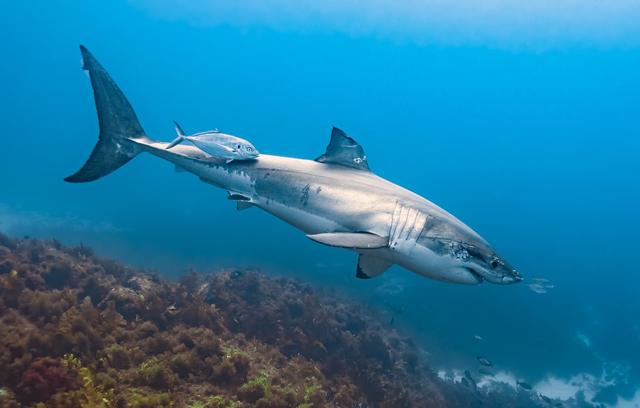 The printThe EscortMuseum-quality, printed to order. Profit funds youth programs.
What we do about it: Guardians of the Kelp. The bigger picture: our guide to ocean conservation in Southern California.
Giant Kelp, Answered
How fast does giant kelp grow?
Up to about two feet a day in good conditions, which makes giant kelp one of the fastest-growing organisms on Earth. A frond can reach more than 100 feet.
Is kelp a plant?
No. Giant kelp is a brown alga. It has no roots or vascular system and absorbs what it needs from seawater through its blades; the holdfast only anchors it to rock.
Why are kelp forests disappearing in California?
Warm water, especially the 2014 to 2016 marine heatwave, starved kelp, while a disease killed the sea stars that eat purple urchins. The urchins then grazed the kelp down to bare rock. Northern California lost most of its bull kelp; Southern California's giant kelp has thinned in patches.
How do you restore a kelp forest?
Mainly by removing purple sea urchins from barrens so kelp can regrow, protecting urchin predators such as sea otters, sheephead and lobster, and in some places out-planting lab-grown kelp.
Where can I see a kelp forest in Southern California?
Crystal Cove and Laguna Beach's marine reserves by kayak or snorkel, La Jolla's reserve in San Diego, and Catalina's Casino Point, the classic Southern California kelp dive.
- NOAA National Ocean Service: Kelp forests
- Rogers-Bennett, L. & Catton, C. A. (2019), Scientific Reports: Marine heat wave and multiple stressors tip bull kelp forest to sea urchin barrens
- Monterey Bay Aquarium: Giant kelp
- California Department of Fish and Wildlife kelp restoration
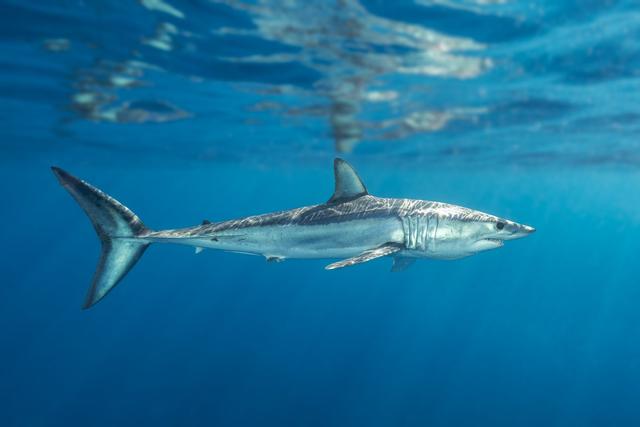 Shortfin Mako SharkThe fastest shark in the worldGreat White SharkThe largest predatory fish on Earth
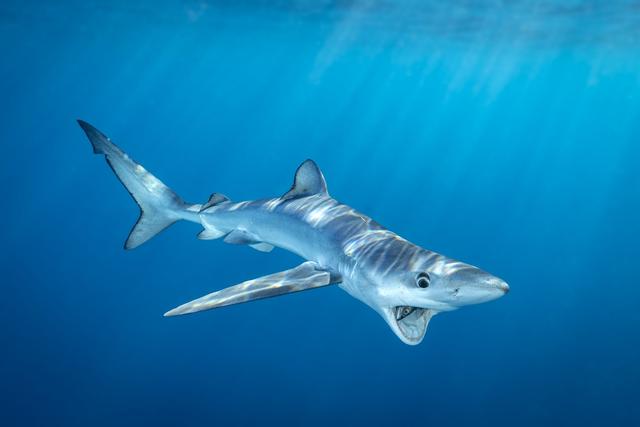 Blue SharkThe most widely travelled, and most heavily fished, shark
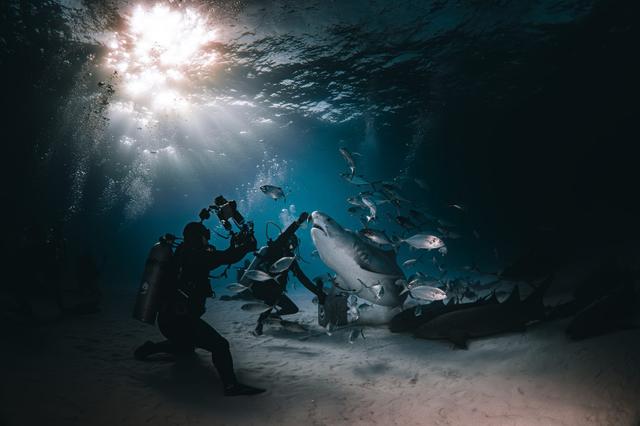 Tiger SharkThe shark that eats almost anything
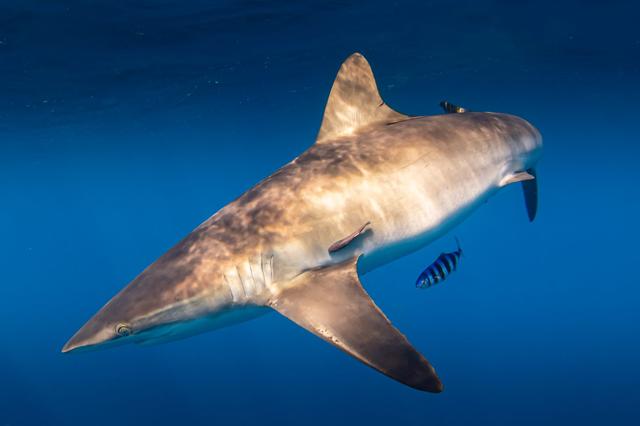 Silky SharkThe open-ocean shark the tuna fleets catch by the million
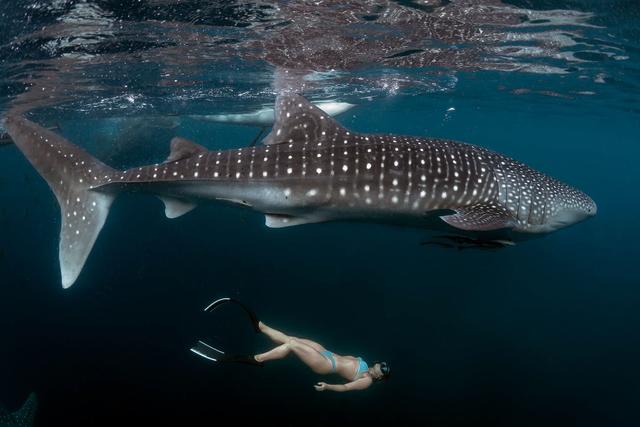 Whale SharkThe biggest fish in the sea
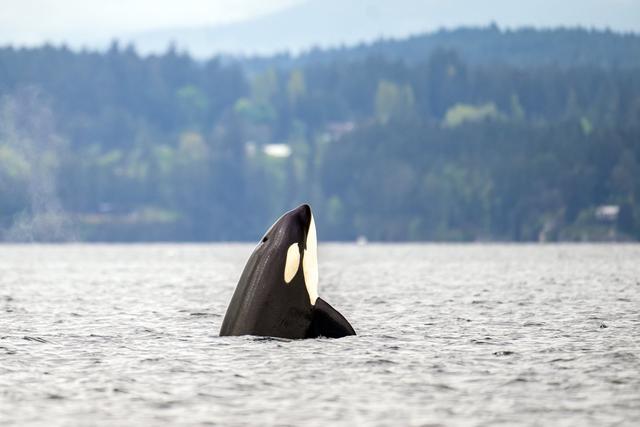 Orca (Killer Whale)The ocean's top predator, and the largest dolphin
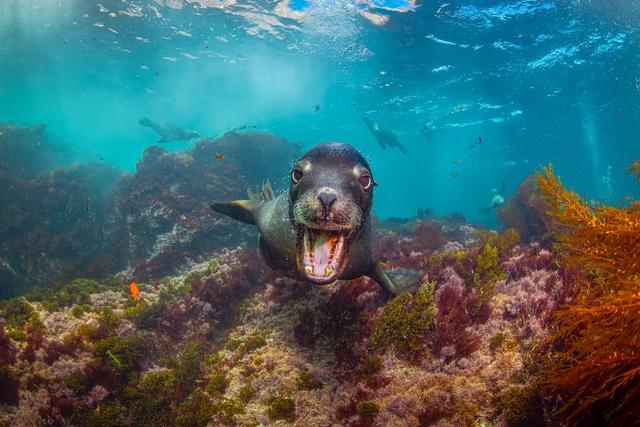 California Sea LionThe barking, curious acrobat of the Pacific coast
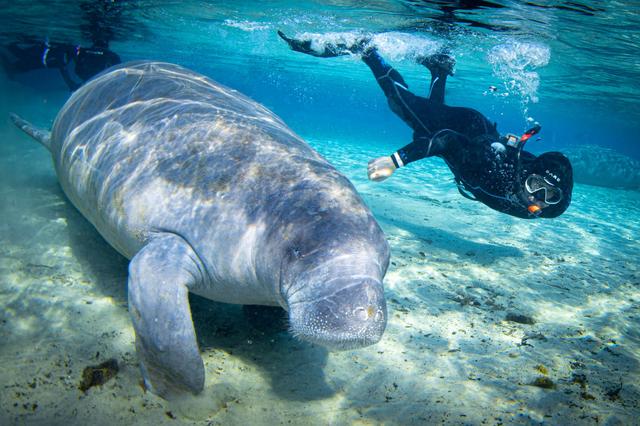 Florida ManateeThe gentle sea cow, and why it needs warm water and seagrass
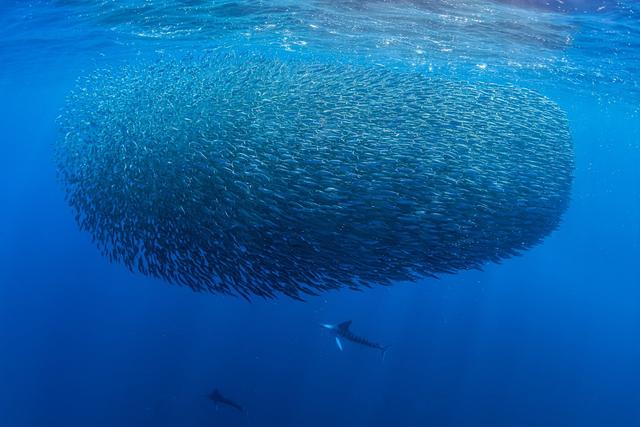 Pacific SardineThe small fish that feeds the whole coast
Fund an Expedition
Every animal on this page is one our youth crews learn to film, count and protect. Your gift puts a kid on the boat at no cost to their family.
EIN 41-4167030 · 100% of net donations fund youth programs. Contributions are tax-deductible to the extent permitted by law.