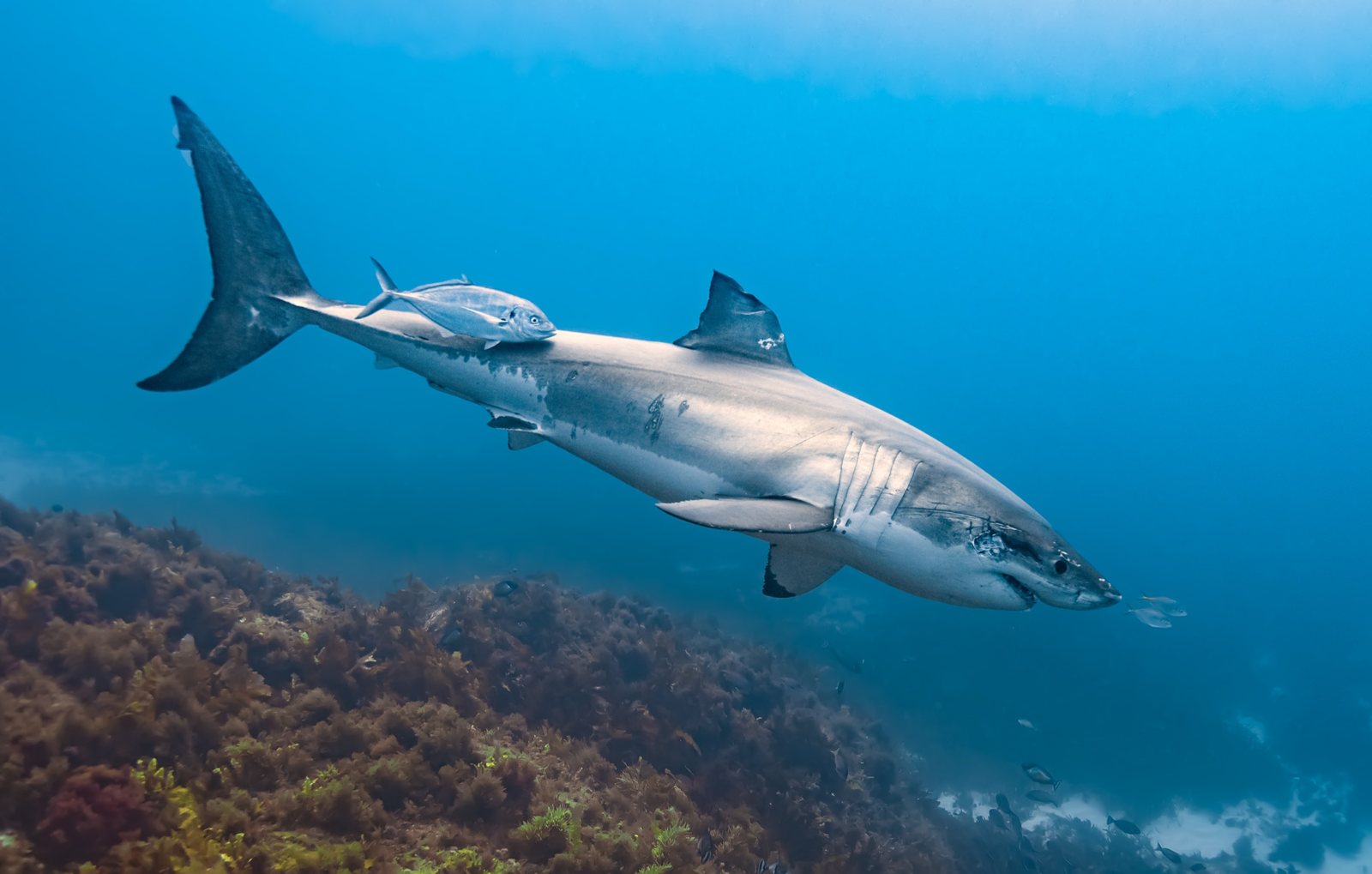
Great White Shark
The great white is the largest predatory fish alive, a warm-bodied hunter that can live 70 years. Southern California is one of its nurseries.
Maximum length; adults are usually 11 to 16 ft
NOAA FisheriesBurst speed when attacking
Monterey Bay AquariumLifespan, from growth-band studies of Atlantic sharks
Hamady et al. 2014IUCN Red List; protected in California since 1994
IUCN · CDFWHow big is a great white shark?
Adult great whites are usually 11 to 16 feet long and weigh 1,500 to 2,500 pounds. The largest reliably measured females approach 20 feet and more than 4,000 pounds. Females are bigger than males, as in most sharks.
A white shark's mouth holds around 300 serrated, triangular teeth in several rows, replaced throughout its life. The teeth are built for cutting, which is why adults can take on seals and sea lions.
Speed, senses and warm blood
Great whites cruise slowly and strike in bursts of around 25 miles per hour, sometimes launching clear of the water after seals. They keep parts of their body warmer than the sea, which powers those bursts in cold water.
They can detect the faint electrical fields of a heartbeat, smell blood in tiny concentrations, and see well in low light. Most of a white shark's life is spent patrolling, not attacking.
What great whites eat, and why the beach is a nursery
Young white sharks eat fish, rays and small sharks. Only as they pass about 10 feet do they switch to seals, sea lions and whale carcasses. That is why juveniles spend their first summers in warm, shallow water full of fish, and off Southern California that means the beaches from Santa Barbara to San Diego.
Researchers now tag dozens of juvenile white sharks a year within sight of swimmers at Southern California beaches. The sharks are mostly uninterested in people; incidents are rare, and the animals usually move on with the season.
Status and protection
The IUCN lists the great white as Vulnerable. California made it illegal to take a white shark in 1994, among the first such protections anywhere, and the species is protected in South Australia, where this photograph was taken, and in many other countries. Off California the population appears to be slowly recovering as seal and sea lion numbers have grown under the Marine Mammal Protection Act.
Threats remain: accidental catch in gillnets, the fin trade elsewhere in the world, and the slow pace of a species that may not breed until its thirties.
Juvenile great whites gather in the shallows off Southern California beaches from late spring into fall; Santa Monica Bay, the Ventura coast, Del Mar and Carlsbad are known spots. Adults are seen around the Channel Islands and the Farallones farther north. Treat any sighting with distance and respect; the state protects them.
 The printThe EscortMuseum-quality, printed to order. Profit funds youth programs.
What we do about it: Guardians of the Kelp. The bigger picture: our guide to ocean conservation in Southern California.
Great White Shark, Answered
How big can a great white shark get?
The largest reliably measured great whites approach 20 feet and more than 4,000 pounds. Most adults are 11 to 16 feet.
How fast can a great white shark swim?
Around 25 mph in a burst. They cruise much more slowly and strike in short bursts, sometimes breaching after seals.
How long do great white sharks live?
At least 70 years. A 2014 study that counted growth bands in the vertebrae of Atlantic white sharks found males over 70 and females around 40, far longer than earlier estimates.
Are there great white sharks in Southern California?
Yes. Southern California beaches are a nursery for juvenile white sharks, which spend summer and fall in shallow water feeding on fish and rays. Adults are seen around the Channel Islands.
Are great white sharks endangered?
They are listed as Vulnerable by the IUCN. California has protected them since 1994, and the population off the US West Coast appears to be slowly recovering.
- NOAA Fisheries species profile: White shark
- IUCN Red List, Carcharodon carcharias
- Hamady, Natanson, Skomal & Thorrold (2014), PLOS ONE: vertebral bomb-radiocarbon ageing of white sharks
- California Department of Fish and Wildlife: white shark protection (1994)
- Monterey Bay Aquarium white shark research
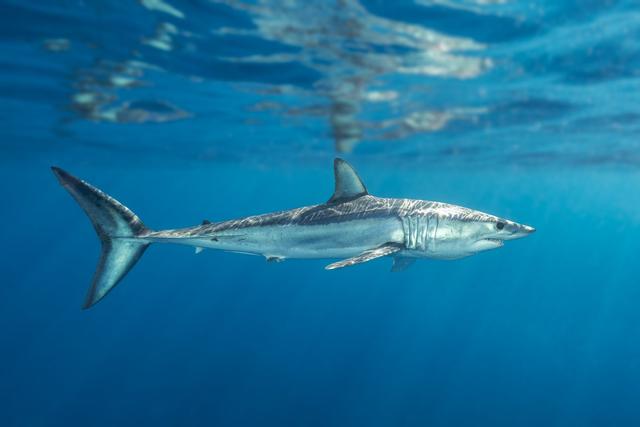 Shortfin Mako SharkThe fastest shark in the world
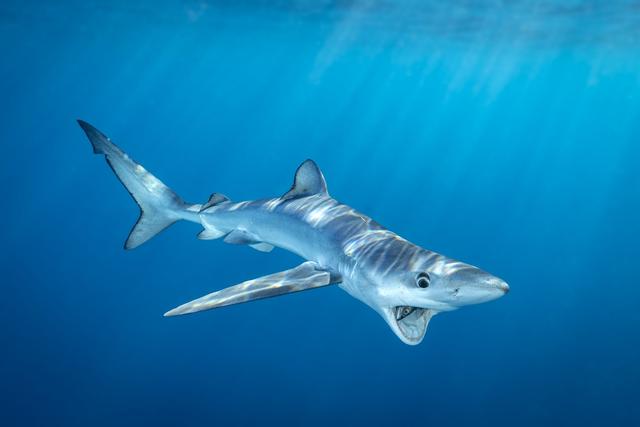 Blue SharkThe most widely travelled, and most heavily fished, shark
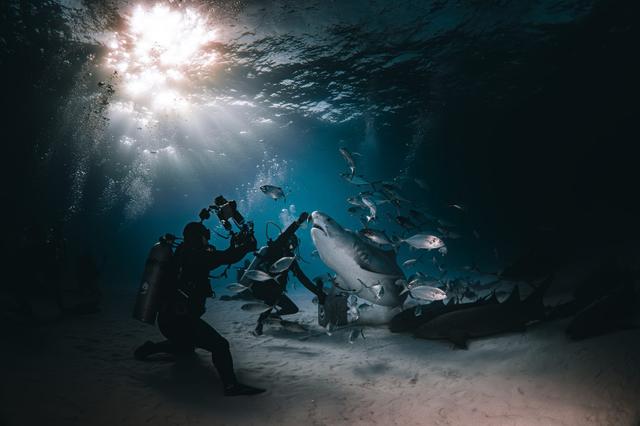 Tiger SharkThe shark that eats almost anything
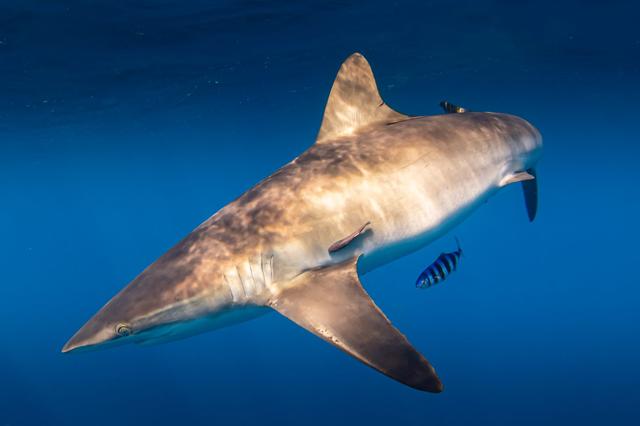 Silky SharkThe open-ocean shark the tuna fleets catch by the million
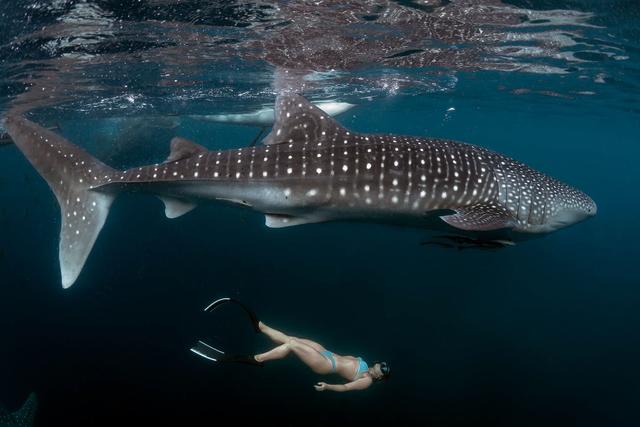 Whale SharkThe biggest fish in the sea
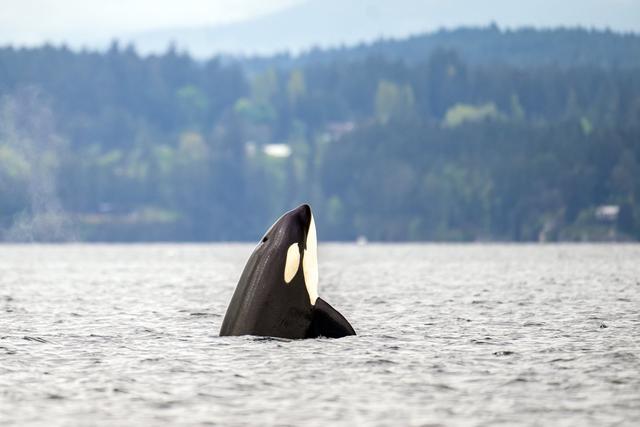 Orca (Killer Whale)The ocean's top predator, and the largest dolphin
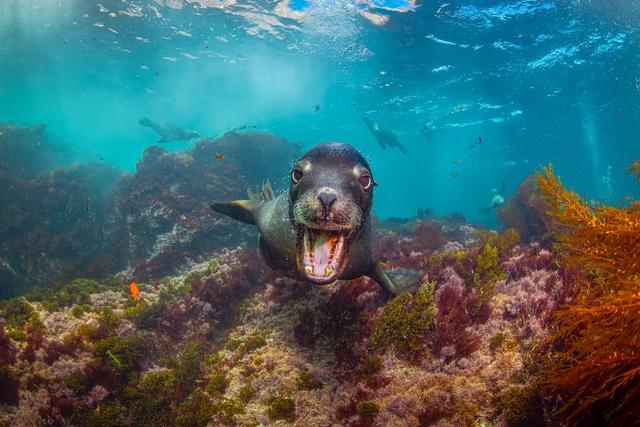 California Sea LionThe barking, curious acrobat of the Pacific coast
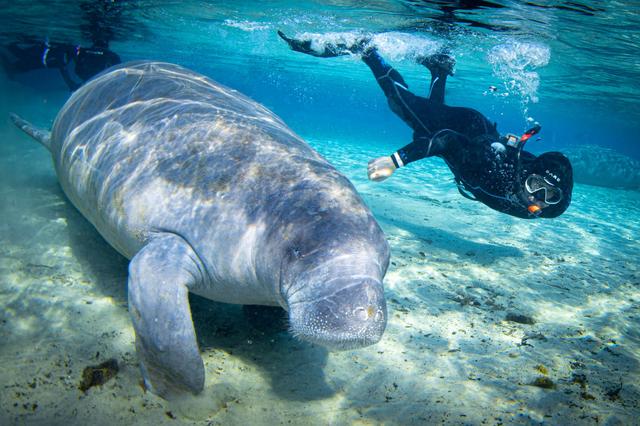 Florida ManateeThe gentle sea cow, and why it needs warm water and seagrass
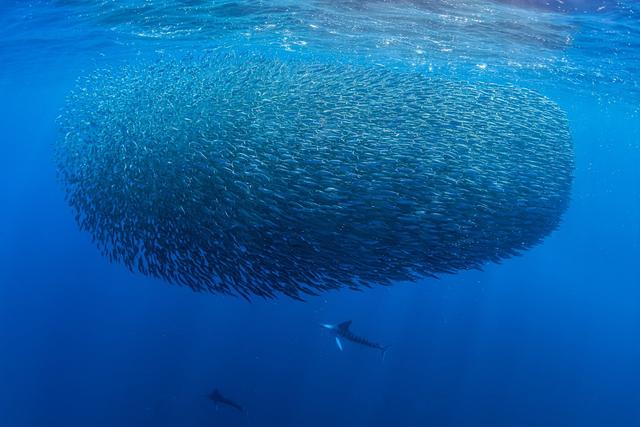 Pacific SardineThe small fish that feeds the whole coast
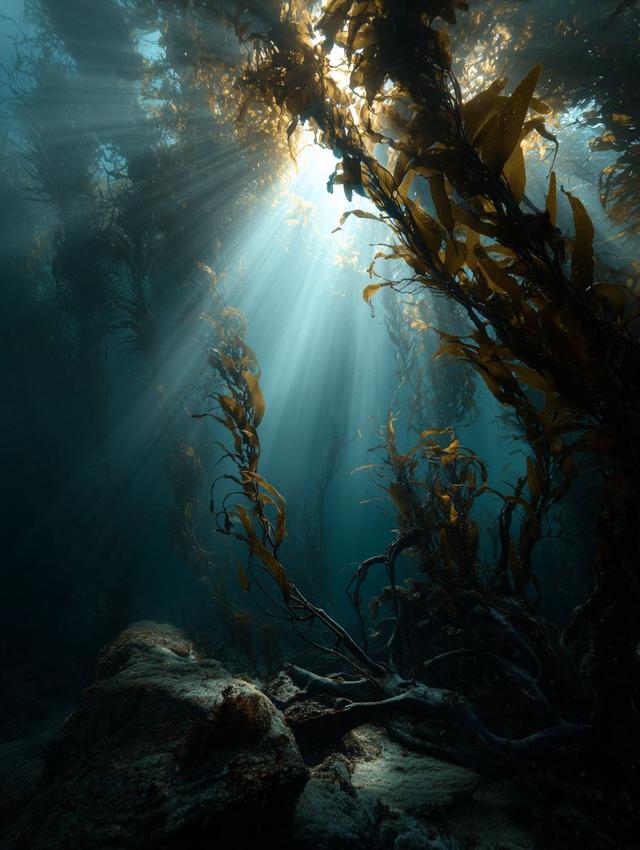 Giant KelpThe fastest-growing forest on Earth
Fund an Expedition
Every animal on this page is one our youth crews learn to film, count and protect. Your gift puts a kid on the boat at no cost to their family.
EIN 41-4167030 · 100% of net donations fund youth programs. Contributions are tax-deductible to the extent permitted by law.