Pacific Sardine
Nothing on this coast eats without the sardine. When the schools are thick the ocean is full; when they vanish, the whales, the sea lions and the pelicans go hungry.
Maximum length; most are 6 to 10 in
NOAA FisheriesFish in a single school; bait balls form when predators press them
NOAA FisheriesUS directed sardine fishery, every year since 2015
Pacific Fishery Management CouncilThe 1940s collapse that emptied Monterey's canneries
NOAA FisheriesWhat a forage fish is
Sardines, anchovies, herring and smelt are forage fish: small, oily, schooling fish that eat plankton and are eaten by nearly everything else. Sea lions, dolphins, humpback whales, tuna, salmon, sharks, brown pelicans and cormorants all depend on them. A healthy forage fish population is the difference between a coast that is alive and one that is quiet.
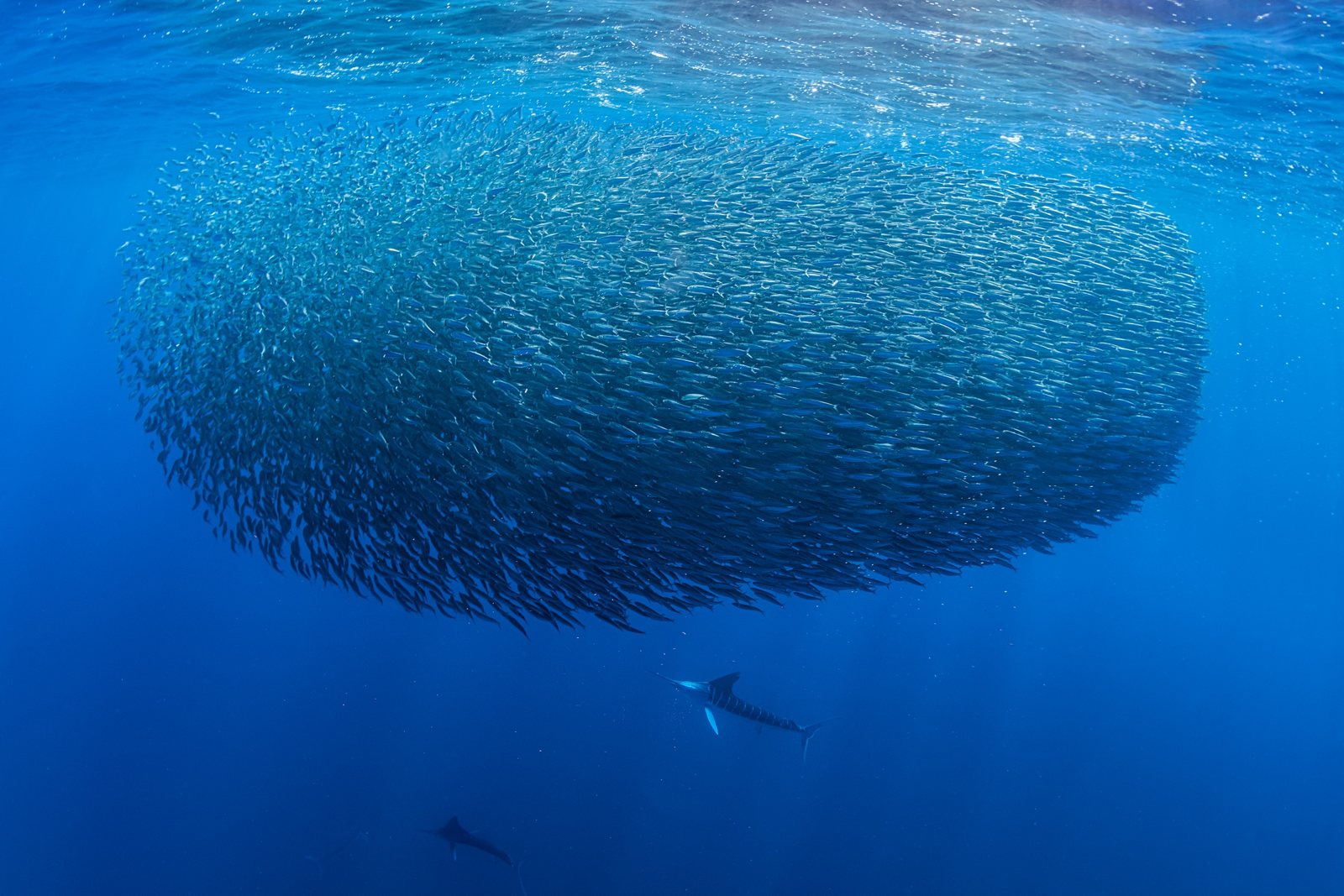
Why sardines form bait balls
A school of sardines spread across the water is hard for a predator to pick from. When dolphins, sea lions or tuna press the school from below and the side, the fish pack into a tight, spinning sphere, each one trying to get to the middle. From inside the water a bait ball sounds like a hiss as thousands of bodies change direction at once. Predators then take turns slicing through it, and birds drop in from above. It is one of the great spectacles of the ocean, and the subject of one of our prints.
Boom, bust and the fishery
The Pacific sardine population swings enormously with ocean temperature, booming in warm decades and collapsing in cool ones, or when fishing takes too much at the wrong time. The most famous collapse came in the 1940s and 1950s, when Monterey's Cannery Row fell silent. The stock recovered in the 1980s and 1990s, then fell again in the 2010s.
Because the stock dropped below the limit set in the fishery's rules, the Pacific Fishery Management Council closed the directed commercial sardine fishery in 2015, and it has stayed closed every year since, with only small incidental and live-bait allowances. Scientists continue to debate how much of the latest decline is climate and how much is fishing; the honest answer is both.
Sardine and anchovy schools are visible from any Southern California boat on a good day: dark patches on the surface, diving pelicans, feeding dolphins. Newport's bait barge sells them live. Our citizen science crews log the schools along with the birds and mammals feeding on them, because the numbers only make sense together.
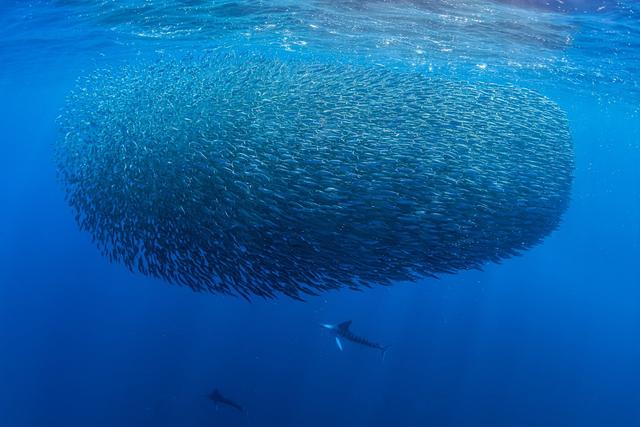 The printThe Sardine RunMuseum-quality, printed to order. Profit funds youth programs.
What we do about it: Citizen Science. The bigger picture: our guide to ocean conservation in Southern California.
Pacific Sardine, Answered
What is a bait ball?
A tight, spinning sphere of small fish, often sardines, formed when predators press a school from below and the sides. Dolphins, sea lions, tuna and diving birds then feed on it in turns.
What eats sardines?
Almost everything: sea lions, dolphins, humpback whales, tuna, salmon, sharks, brown pelicans and cormorants. Sardines are a forage fish at the base of the coastal food web.
Why is the sardine fishery closed?
The Pacific sardine stock fell below the minimum set in US fishery rules, so the Pacific Fishery Management Council closed the directed commercial fishery in 2015. It has remained closed since, with small incidental and live-bait allowances.
What happened on Cannery Row?
Monterey's sardine canneries boomed in the 1930s and 1940s and collapsed when the sardine population crashed in the late 1940s and 1950s, from a mix of heavy fishing and a cool ocean cycle.
- NOAA Fisheries species profile: Pacific sardine
- Pacific Fishery Management Council: Coastal Pelagic Species, annual sardine harvest specifications (2015 onward)
- NOAA Southwest Fisheries Science Center sardine assessments
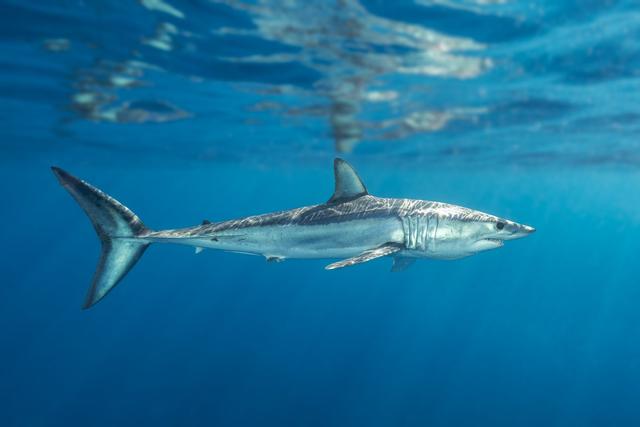 Shortfin Mako SharkThe fastest shark in the world
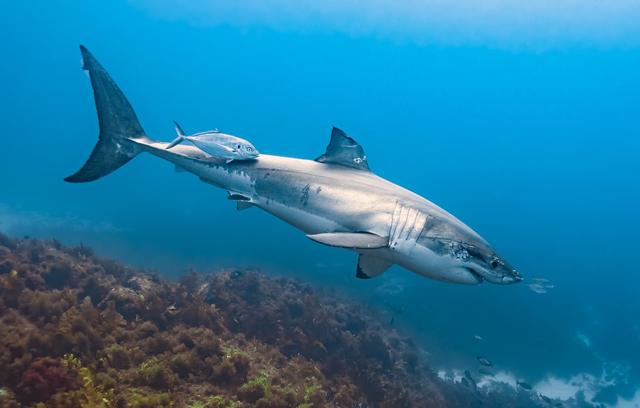 Great White SharkThe largest predatory fish on Earth
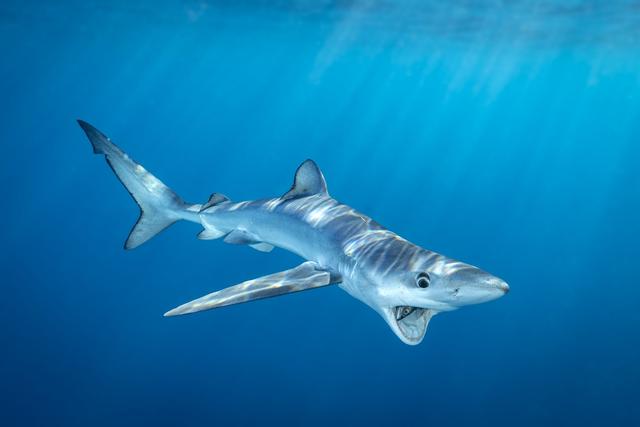 Blue SharkThe most widely travelled, and most heavily fished, shark
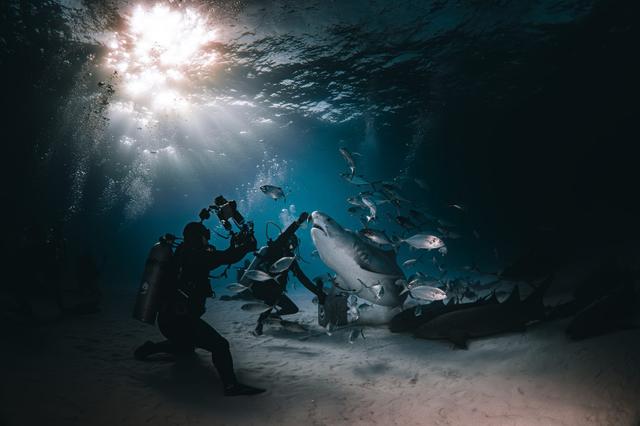 Tiger SharkThe shark that eats almost anything
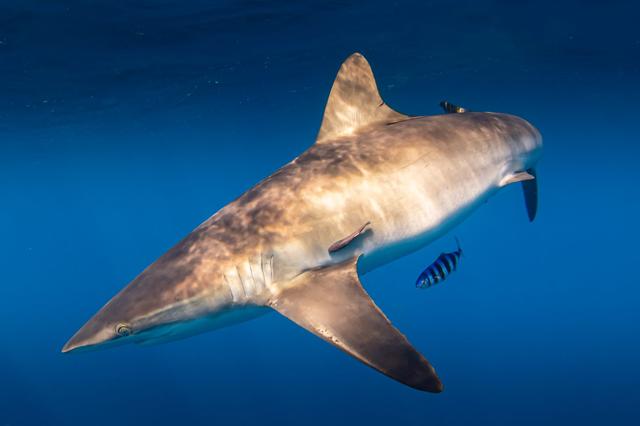 Silky SharkThe open-ocean shark the tuna fleets catch by the million
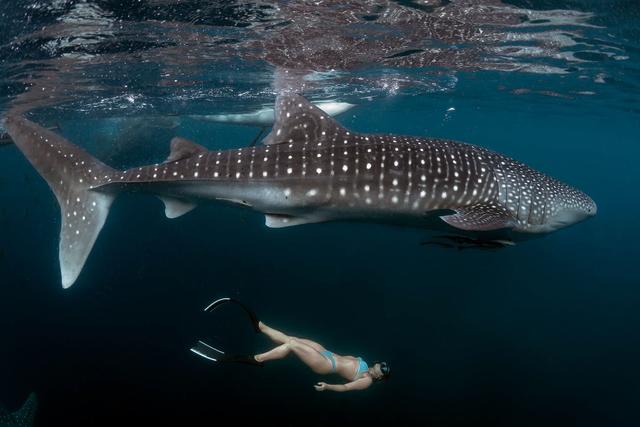 Whale SharkThe biggest fish in the sea
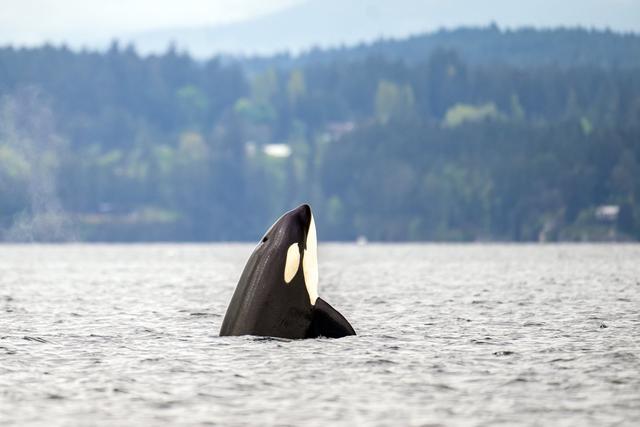 Orca (Killer Whale)The ocean's top predator, and the largest dolphin
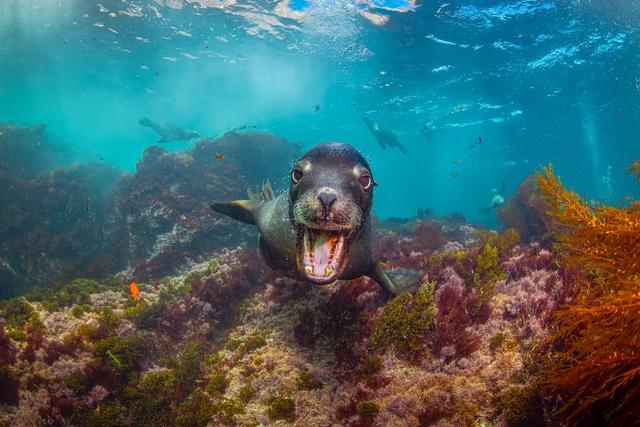 California Sea LionThe barking, curious acrobat of the Pacific coast
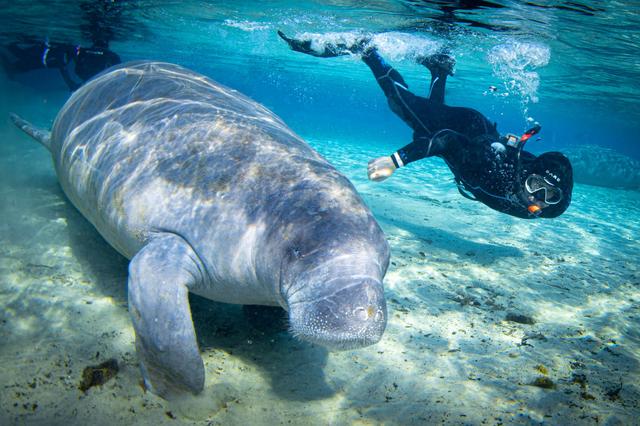 Florida ManateeThe gentle sea cow, and why it needs warm water and seagrass
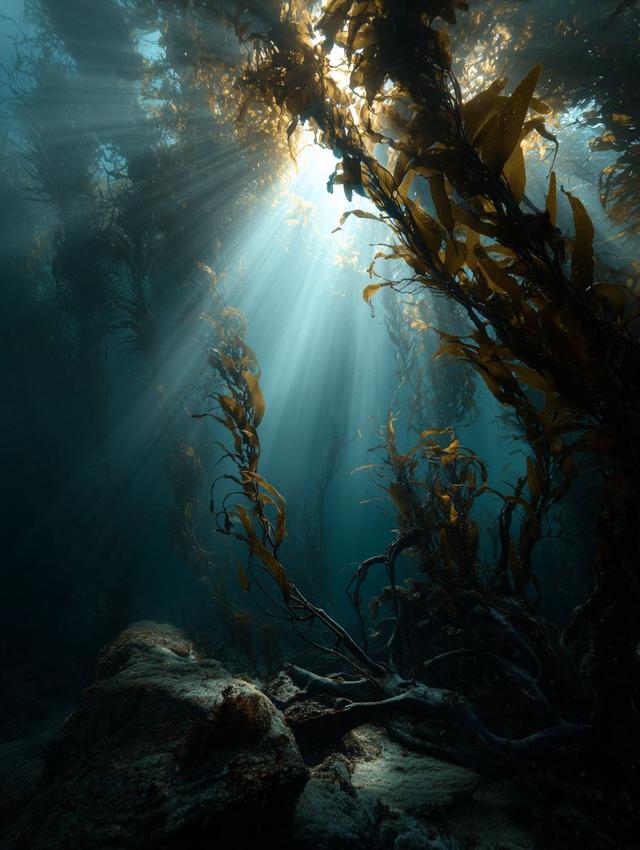 Giant KelpThe fastest-growing forest on Earth
Fund an Expedition
Every animal on this page is one our youth crews learn to film, count and protect. Your gift puts a kid on the boat at no cost to their family.
EIN 41-4167030 · 100% of net donations fund youth programs. Contributions are tax-deductible to the extent permitted by law.