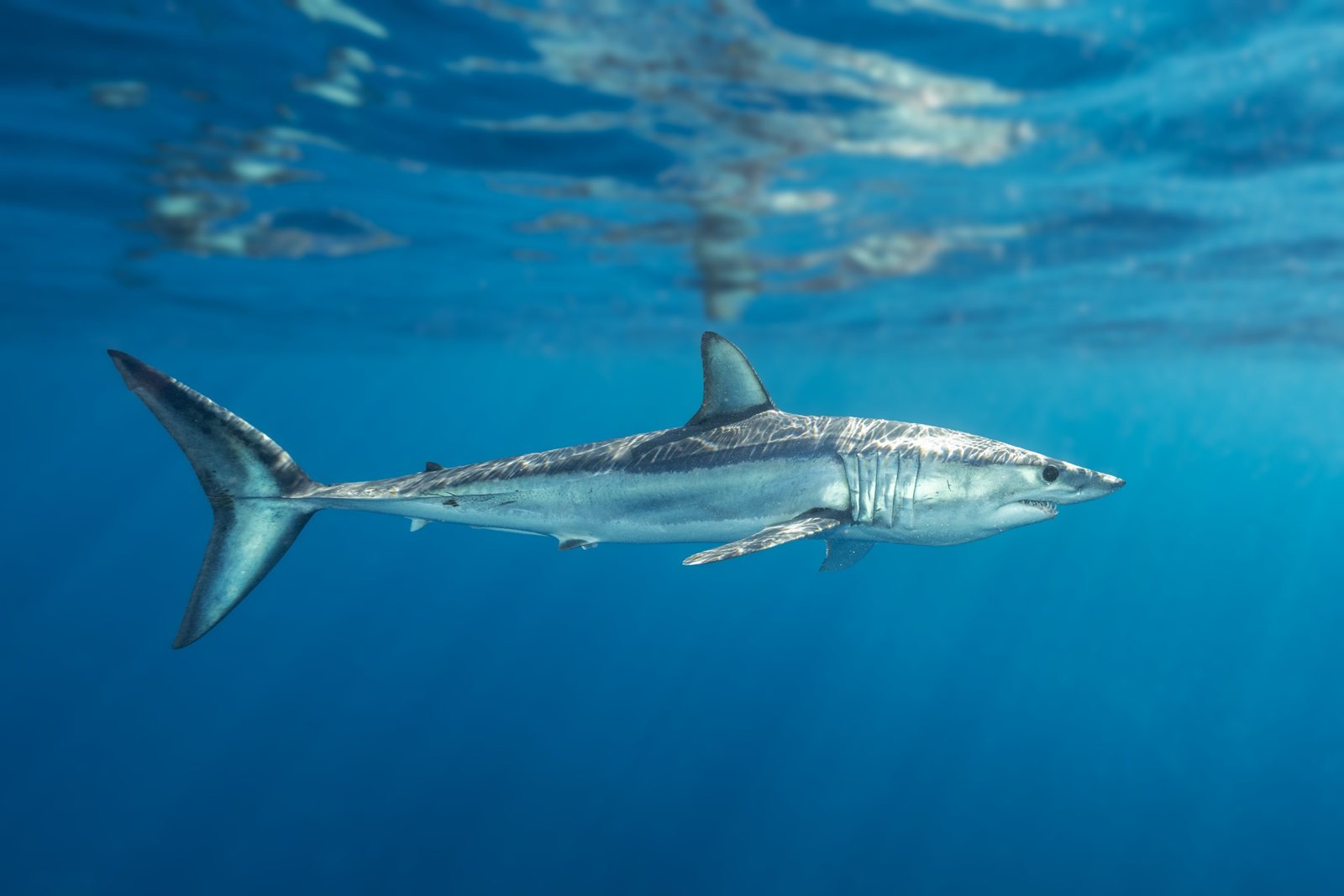
Shortfin Mako Shark
The shortfin mako is the fastest shark in the ocean, a warm-bodied hunter built like a tuna. It is also endangered, and it swims past Southern California every summer.
Documented burst speed, the fastest of any shark
NOAA FisheriesMaximum length; most are 6 to 10 ft
NOAA FisheriesLifespan; females mature at about 18
NOAA FisheriesIUCN Red List, 2019; CITES Appendix II
IUCNHow fast is a mako shark?
Faster than any other shark. Scientists have documented shortfin makos in bursts of around 45 miles per hour (about 72 km/h), and some estimates run higher, though those are hard to verify in open water. For comparison, a great white tops out near 25 mph and an Olympic swimmer manages about 5.
The speed comes from the body. A mako is shaped like a tuna, with a crescent tail, a narrow tail base with lateral keels, and tiny scales that reduce drag. Like its cousin the great white, it keeps its swimming muscles warmer than the surrounding water, which lets them fire faster and longer than a cold-bodied shark's.
Makos are also famous for jumping. Hooked or chasing prey, they can clear the surface by 20 feet or more. Sport anglers off California know the sight well.
Size, diet and life
Most shortfin makos are 6 to 10 feet long and a few hundred pounds; the biggest females reach about 13 feet and over 1,000 pounds. They live around 30 years, and the females do not mature until roughly 18, which is one reason the species cannot absorb heavy fishing.
They eat fast prey: tuna, bonito, mackerel, squid and, for big individuals, swordfish. A mako's teeth are long, narrow and smooth-edged, built for grabbing slippery fish rather than cutting chunks out of large animals.
Where makos live
Shortfin makos range across every temperate and tropical ocean. Off the US West Coast they are mostly young animals, which use the waters from Southern California down the Baja coast as a nursery, feeding in the warm months and moving offshore or south in winter.
Why the mako is endangered
In 2019 the IUCN moved the shortfin mako to Endangered, and the same year it was added to CITES Appendix II, which regulates international trade. The problem is longline fishing for tuna and swordfish, which hooks makos by the hundreds of thousands worldwide, plus demand for their fins and their meat, which is among the best eating of any shark.
Because they mature late and have small litters, a fished-down mako population takes decades to rebuild. International catch limits in the Atlantic only arrived in the early 2020s. On the US West Coast, commercial retention is restricted and sport fishing is increasingly catch-and-release.
Makos arrive off Southern California in late spring and stay through fall, usually well offshore in blue water beyond the islands. Most sightings come from boats, and most of the animals are juveniles. Our Blue Lens crews film them from the surface on offshore days.
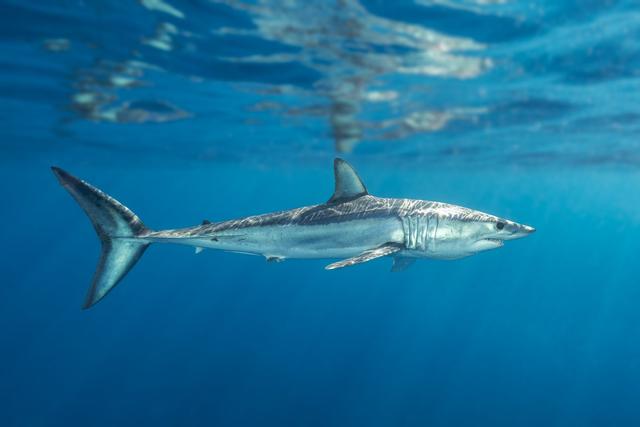 The printThe MakoMuseum-quality, printed to order. Profit funds youth programs.
What we do about it: Blue Lens. The bigger picture: our guide to ocean conservation in Southern California.
Shortfin Mako Shark, Answered
What is the fastest shark in the world?
The shortfin mako shark. Documented bursts reach about 45 mph (72 km/h), faster than any other shark, thanks to a tuna-like body and warm swimming muscles.
How big do mako sharks get?
Most shortfin makos are 6 to 10 feet long. The largest females reach about 13 feet and more than 1,000 pounds.
Are mako sharks dangerous to people?
Rarely. Makos live offshore and almost never meet swimmers. The few recorded incidents mostly involve sharks that were hooked or provoked. They are far more endangered by us than we are by them.
Why are mako sharks endangered?
Overfishing. They are caught on longlines set for tuna and swordfish and taken for fins and meat, and they mature late with few pups, so populations recover slowly. The IUCN listed them as Endangered in 2019.
Can you see mako sharks in California?
Yes. Shortfin makos, mostly juveniles, feed offshore from Southern California down to Baja from late spring through fall. They are seen from boats in deep blue water, not from the beach.
- NOAA Fisheries species profile: Shortfin mako shark
- IUCN Red List assessment, Isurus oxyrinchus (2019)
- CITES CoP18 (2019): Isurus spp. listed in Appendix II
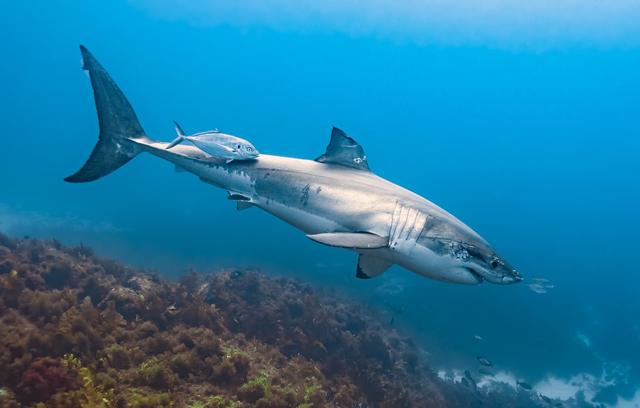 Great White SharkThe largest predatory fish on Earth
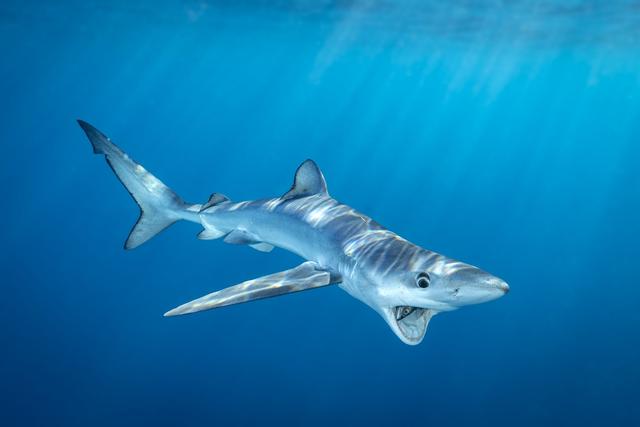 Blue SharkThe most widely travelled, and most heavily fished, shark
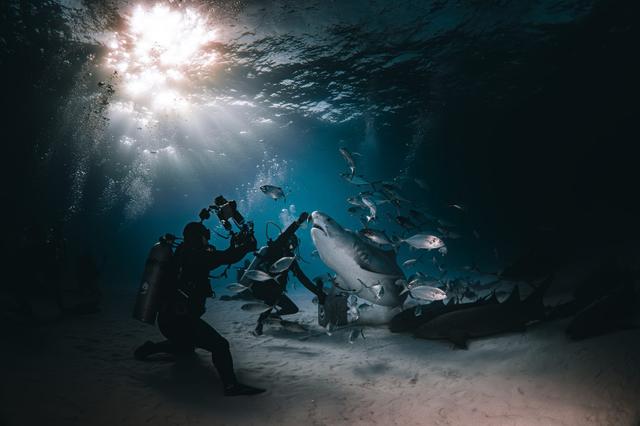 Tiger SharkThe shark that eats almost anything
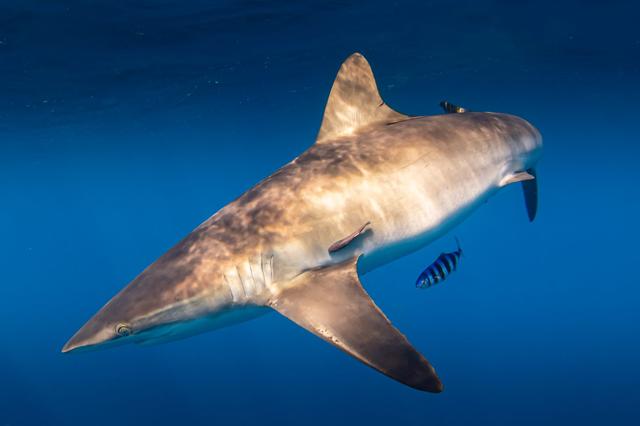 Silky SharkThe open-ocean shark the tuna fleets catch by the million
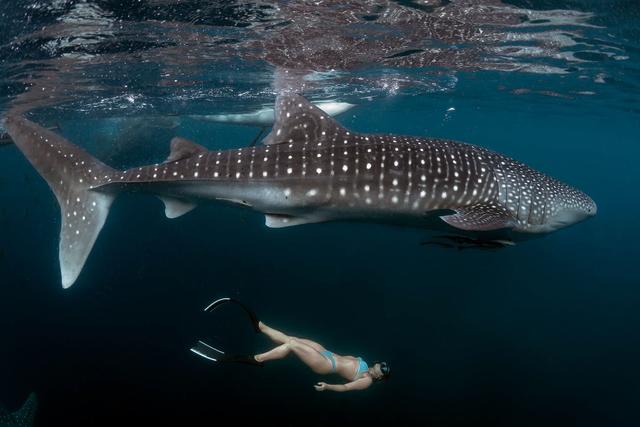 Whale SharkThe biggest fish in the sea
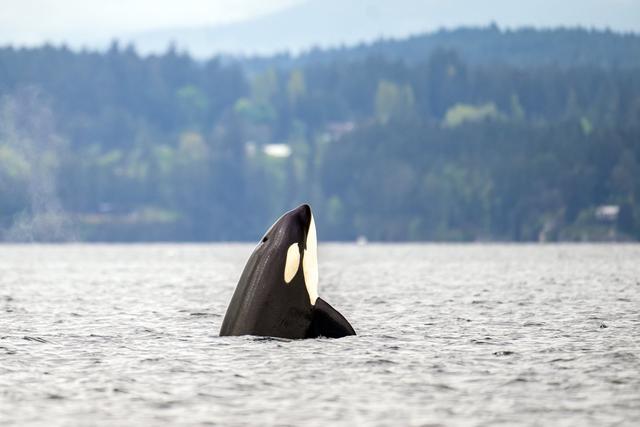 Orca (Killer Whale)The ocean's top predator, and the largest dolphin
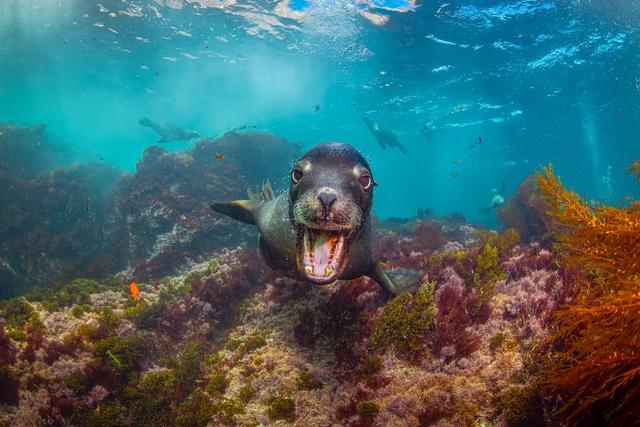 California Sea LionThe barking, curious acrobat of the Pacific coast
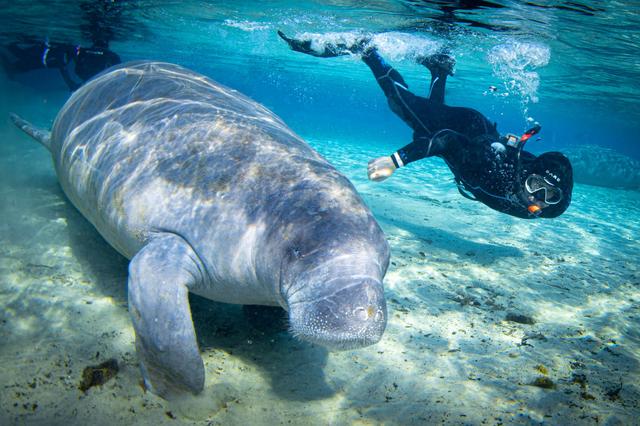 Florida ManateeThe gentle sea cow, and why it needs warm water and seagrass
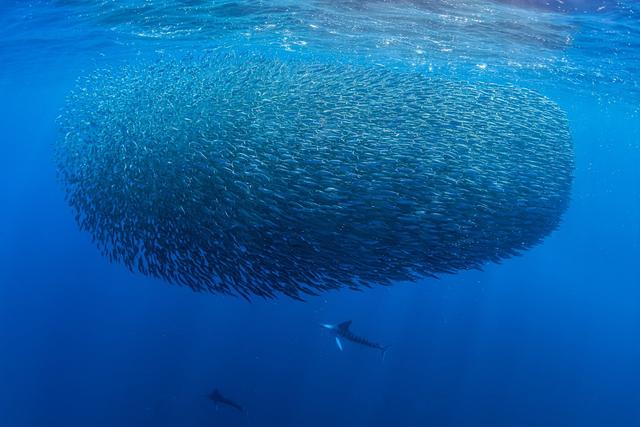 Pacific SardineThe small fish that feeds the whole coast
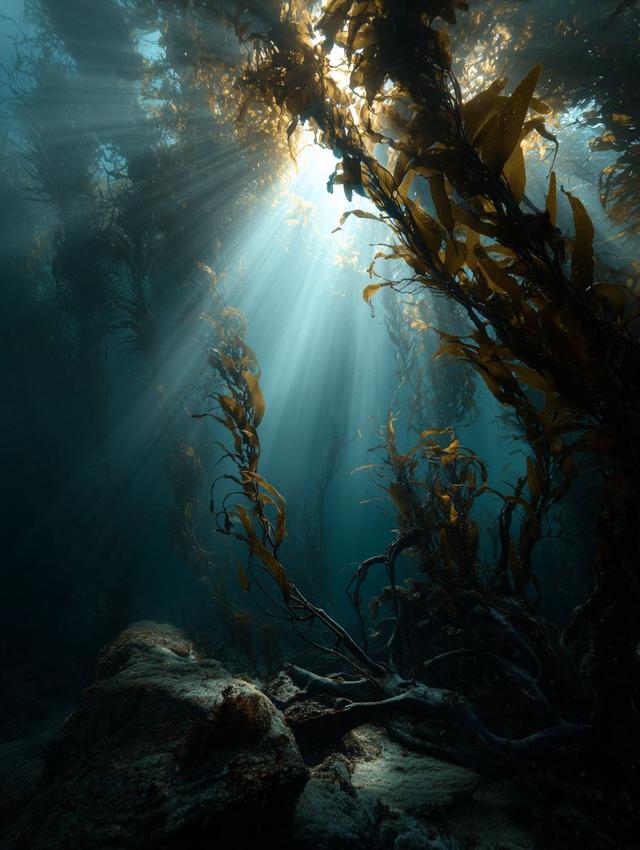 Giant KelpThe fastest-growing forest on Earth
Fund an Expedition
Every animal on this page is one our youth crews learn to film, count and protect. Your gift puts a kid on the boat at no cost to their family.
EIN 41-4167030 · 100% of net donations fund youth programs. Contributions are tax-deductible to the extent permitted by law.